Tehran holds upper hand in Geneva talks; sanctions relief at nuclear discussions core
-

Iran–U.S. nuclear negotiations
Pars Today – Ahead of the new round of nuclear talks between Iran and the United States, Tehran has entered the negotiations with a clear agenda: lifting sanctions, preserving its enrichment rights, and relying on strategic patience. By controlling both the timing and framework of the talks, Iran has positioned the U.S. side to choose between a balanced agreement or continued deadlock.
The second round of indirect nuclear negotiations between the Islamic Republic of Iran and the United States, mediated by Oman in Geneva, emphasizes effective sanctions relief and the protection of national interests as the central priorities of the Iranian delegation, led by Seyed Abbas Araghchi, Iran’s Foreign Minister. This approach reflects Tehran’s focus on tangible, verifiable outcomes.
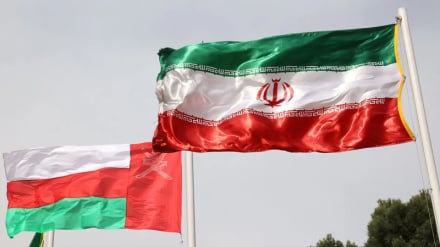
According to the announced schedule, consultations are continuing at the Omani Embassy in Geneva, following the path previously initiated in Muscat, which both sides described as “positive” and which paved the way for continued talks.
Within this framework, Iran’s Foreign Minister, Seyed Abbas Araghchi, met with Rafael Grossi, Director General of the International Atomic Energy Agency, before the start of negotiations to outline Iran’s technical positions and emphasize professional cooperation under the safeguards framework.
Araghchi also met with Badr bin Hamad Al Busaidi, Foreign Minister of Oman, highlighting Muscat’s active mediation role and support for a results-oriented diplomatic path. The Omani side praised Iran’s approach to maintaining regional peace and stability and stressed the continuation of efforts to reach an understanding that safeguards the interests of all parties.
Tehran has entered this round of negotiations with two clear conditions: limiting discussions strictly to the nuclear issue and the recognition of its enrichment rights. This framework, which has also been acknowledged by the other side, indicates that the Islamic Republic, while maintaining its strategic red lines and avoiding extraneous “beyond-the-agreement” issues, holds the initiative in managing the negotiation process.
Experts believe that Iran’s domestic cohesion, nuclear technical advancements, and defensive deterrence capabilities have strengthened its position in the negotiation equation, pushing the U.S. side toward diplomacy as a lower-cost option. Conversely, mixed signals and the limited presence of the American delegation at the talks are seen as indications of a lack of final decision-making in Washington.
Meanwhile, the Iranian negotiation team, emphasizing strategic patience and time management, is working to steer the talks toward a fair and balanced agreement—one that ensures the practical lifting of sanctions, delivers economic benefits to the country, and guarantees the nuclear rights of the Iranian people.
According to Iran’s Foreign Minister, Tehran has come to Geneva with initiative and readiness to achieve a just agreement, while any positive outcome depends on the political will and realism of the other side. In this context, attention is focused on Washington, which must choose between continuing ineffective pressures or accepting a balanced agreement.