Analysis| Iran's criticism of US abuse of UNSC; what are the instances of abuse?
-
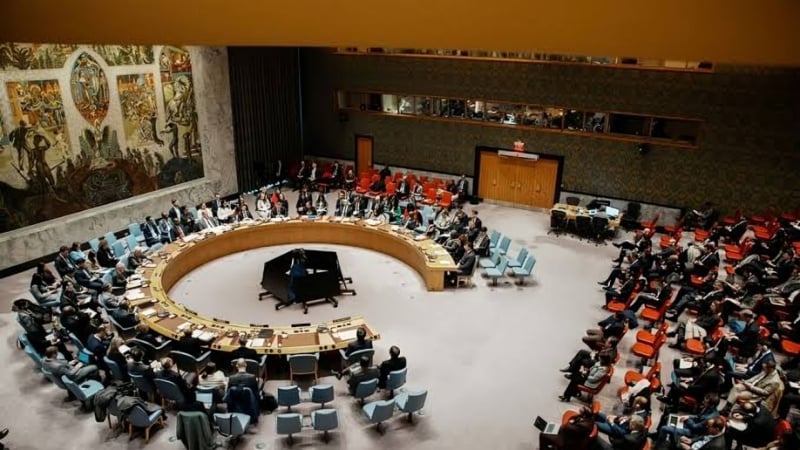
UN Security Council
Pars Today - Gholamhossein Darzi, Iran's ambassador and chargé d'affaires to the United Nations, emphasizing that the Security Council must uphold the UN Charter and international law and refrain from any politicization or abuse of its procedures, has warned that the United States and its allies have repeatedly abused the Council's procedures and powers to advance short-sighted political agendas.
Due to its special position in the international system, the Security Council is one of the most important instruments for maintaining peace and security. When it determines that there is a threat to peace, a breach of peace, or an act of aggression, this Council can, in accordance with Chapter VII of the Charter, use measures ranging from non-military actions such as sanctions to broader coercive measures. However, the concentration of power in the Security Council, and especially the veto right of the five permanent members, has caused the decisions of this body to always be influenced by the political considerations of the great powers. Therefore, criticism of the "politicization" or "abuse" of the Security Council, especially by the United States, to achieve its own political goals has increased.
The question is: what are the most important instances of US abuse of the Security Council?
One of the most important instances of US abuse of the Security Council is turning the collective security mechanism into a tool of political pressure against countries. Fundamentally, the basis of the activity of the UN Security Council is the collective security mechanism. However, one of the most important instances of US abuse of the Security Council is that Washington and its European allies define a political dispute against a country that is not aligned with them, including Iran, as a "threat to international peace and security," and then use the Council's powers to apply pressure. The fundamental problem of the Security Council is not that politics enters it, because the Council is fundamentally a political body and its members represent governments. The issue becomes serious when political considerations overcome legal logic and the responsibility of collective security.
Another instance of US abuse of the Security Council is selective use and double standards. For example, while the Zionist regime, according to numerous reports by global human rights bodies, has committed genocide, crimes against humanity, and crimes against peace, US opposition has prevented any action in the Security Council against this regime, yet Washington has continuously used the Security Council against the Islamic Republic of Iran with baseless claims.
Another instance of US abuse of the Security Council is the use of the veto right. In fact, the veto right is one of the factors underlying US abuse of the Security Council. In reality, the veto right has become a tool for protecting the political interests of a power or its allies and prevents effective and fair action by the Council against a crisis. The repeated or political use of the veto is such that the Council has effectively been prevented from fulfilling its main responsibility.
Given these instances and, of course, other important instances that exist, the abuse by the United States and its Western allies of the Security Council has caused the Council's powers not to be used in line with its objectives of maintaining peace and security and in compliance with legal procedures; rather, the Council's mechanisms have become a tool for advancing the political interests of the great powers, especially the United States and its allies.
The important point is that the criticism by Gholamhossein Darzi, Iran's ambassador and chargé d'affaires to the United Nations, of the United States regarding the abuse of the Security Council is not merely a discussion related to Iran, but has become one of the fundamental issues regarding the efficiency, impartiality, legitimacy, and reform of the UN collective security system.