Healthy fasting: Traditional medicine recommendations for a balanced Suhoor and Iftar
-
Nutritional recommendations for preventing weakness and indigestion during Ramadan
ParsToday - Recommendations from a traditional medicine specialist on "healthy fasting" indicate that having a complete Suhoor (pre-dawn meal) and a light Iftar (meal to break the fast) can prevent weakness, lethargy, and indigestion during the month of Ramadan.
According to a ParsToday report citing IRNA, "Mamak Hashemi," a faculty member at Hamadan University of Medical Sciences and a traditional medicine specialist, explained the principles of "healthy fasting," stating that those fasting should consume Suhoor as a complete and nutritious meal, similar to a lunch, to avoid energy depletion during the long daylight hours. He emphasized that avoiding quickly digested and spicy foods, as well as refraining from eating fruit at Suhoor due to its rapid digestion, helps maintain the body's balance.
Referring to the role of fluids in "healthy fasting," Hashemi added, "Diuretic beverages like strong tea can lead to rapid water loss and cause weakness in the early hours of the day." According to him, drinks containing mucilaginous seeds such as khakshir (Descurainia sophia seeds) and basil seeds, which release moisture gradually, are more suitable options for hydrating the body. The specialist also warned against consuming too many sweets at Suhoor, stating, "Overindulgence in sweet substances can cause a drop in blood sugar and lead to lethargy."
**Additional Recommendations for Iftar and the Period Until Suhoor**
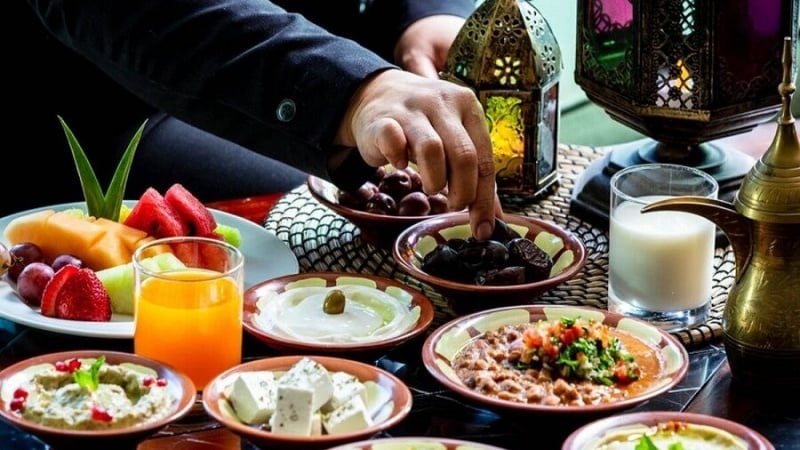
Regarding the Iftar meal, the Hamadan University faculty member also advised that beginning Iftar with a warm, light beverage like weak tea, warm milk, or sekangabin (a traditional Persian drink made of vinegar and honey) along with a natural sweetener such as dates or honey aids in better digestion of food. He added that light soups are a good choice for starting Iftar, and if there is a long interval between Iftar and bedtime, a separate light dinner can be considered.
Hashemi emphasized that consuming heavy and slow-digesting foods simultaneously, such as aush reshteh (noodle soup), halim (a wheat porridge with meat), or fatty stews, can lead to indigestion. He also recommended avoiding low-nutrient foods like chips and snacks between Iftar and Suhoor, and instead consuming main meals with high nutritional value.
Referring to the necessity of paying attention to individual temperament (Mizaj) and the season, the traditional medicine specialist noted that individuals with a cold temperament or digestive issues should be cautious about consuming fruits with a cold nature. He concluded, "To achieve healthy fasting, main meals should be chosen to be balanced, nutritious, and appropriate for the body's needs."