Pakistan–Afghanistan border clashes; Iran calls for dialogue, offers mediation
-
Pakistan–Afghanistan border clashes
Pars Today – Seyed Abbas Araghchi, Iran’s foreign minister, reacted to the escalating border clashes between Pakistan and Afghanistan by urging both sides to exercise restraint and engage in dialogue. He also announced Tehran’s readiness to facilitate talks between Islamabad and Kabul and to help resolve disputes between the two neighboring countries.
According to Pars Today, citing IRNA, Araghchi said in a message posted Friday on the social media platform X that the differences should be resolved peacefully. Referring to the holy month of Ramadan as an opportunity to strengthen solidarity in the Islamic world, he emphasized: “During the blessed month of Ramadan—a month of self-restraint and unity in the Islamic world—it is appropriate for Afghanistan and Pakistan to manage and resolve their dispute within the framework of good neighborliness and through dialogue.”
Highlighting Iran’s active diplomatic stance, the foreign minister added: “The Islamic Republic of Iran stands ready to provide any assistance necessary to facilitate dialogue and enhance understanding and cooperation between the two countries.”
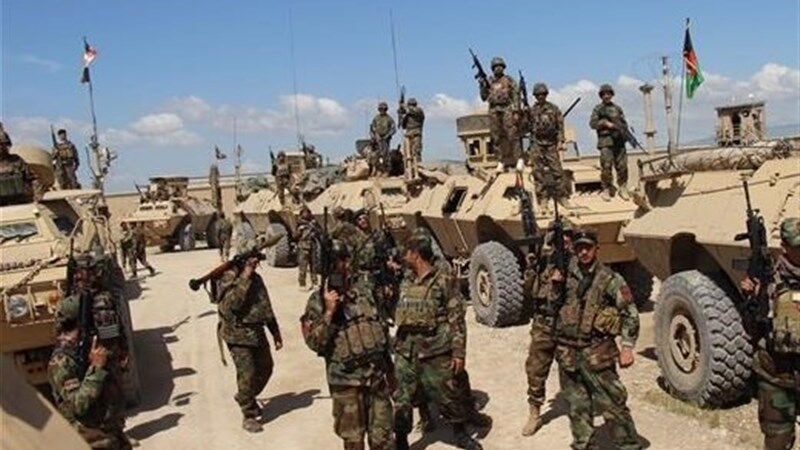
Heavy fighting has been underway since Thursday night along the shared border between Pakistan and Afghanistan. Tensions sharply escalated following Pakistani airstrikes on areas inside Afghanistan that Islamabad believes host camps belonging to the Tehrik-i-Taliban Pakistan (TTP). Kabul condemned the attacks, stating that dozens of civilians were killed.
Zabihullah Mujahid, spokesperson for Afghanistan’s Taliban government, announced the launch of a “large-scale offensive operation” against Pakistani military centers and facilities along the Durand Line, the shared border. The operation was described as a response to recent Pakistani airstrikes in the provinces of Paktika, Kabul, Kandahar, and Paktia.
News sources report intense clashes at several border points, including Chitral, Khyber, Mohmand, Kurram, and Bajaur. Attaullah Tarar, Pakistan’s information minister, claimed that at least 133 Afghan Taliban fighters were killed and more than 200 others wounded in a retaliatory operation dubbed “Ghazab al-Haq.” He also stated that 27 Taliban military posts were destroyed and nine others were captured by Pakistani forces.
In contrast, Afghanistan’s Ministry of Defense announced that 55 Pakistani soldiers were killed in the clashes and that dozens of pieces of military equipment were seized. The ministry said Afghan forces suffered eight fatalities and 11 wounded, adding that their retaliatory operation ended after four hours at midnight.
As the crisis intensified, Khawaja Muhammad Asif wrote on X that Islamabad’s patience had run out and that the country had entered into an “open war” with the Afghan Taliban. Meanwhile, Asif Ali Zardari stressed that Pakistan would not compromise on its peace and territorial integrity and was capable of delivering a decisive response to any aggression.
Russia also called on both sides to immediately halt mutual attacks and resolve their differences through diplomatic means. Russia’s Foreign Ministry said it was prepared to offer mediation services if requested by both parties. Antonio Guterres, Secretary-General of the United Nations, expressed deep concern over the tensions and underscored the need to respect international law and protect civilians.
Pakistani officials accuse the Afghan Taliban government of supporting Tehrik-i-Taliban Pakistan (TTP), an allegation Kabul consistently denies. Meanwhile, reports indicate that Pakistani artillery and airstrikes against Taliban positions in the provinces of Kunar, Khost, and Paktia are continuing.
Conflicting reports on death of Taliban leader
At the same time, unconfirmed and unofficial reports suggest that Mawlawi Hibatullah Akhundzada, the leader of the Afghan Taliban, may have been killed in Pakistani airstrikes. These reports have not been independently verified.