Capitalism and promotion of consumerism
-
Capitalism and promotion of consumerism
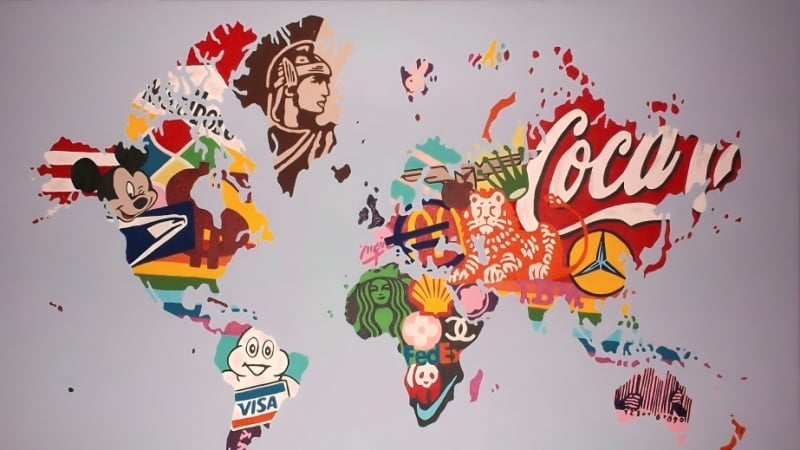
Pars Today – Capitalism, relying on mass production and extensive advertising, has promoted consumerism as a tool to increase profits.
According to Pars Today, it is an undeniable fact that consumerism and the emergence of a consumer society are part of the stages of a liberal economy. In this regard, “Walt Whitman Rostow,” one of the pioneers of development theory, proposed the “Stages of Growth” theory, considering development—which he equates with liberalization—as dependent on passing through specific stages, including the traditional society, the transitional stage, the take-off stage, the drive to maturity stage, and finally the stage of mass consumption.
Capitalism, relying on mass production and extensive advertising, has promoted and encouraged consumerism as a means to increase profits. Although this trend has led to economic growth, it has also brought widespread social, cultural, and environmental consequences, most of them negative. Consumerism is not merely an economic concept; it is a term that carries social, cultural, and even psychological implications.
Capitalism, as the dominant economic system in the modern world, is based on private ownership, free competition, and profit-making. One of the main features of this system is the relentless effort to increase the production and sale of goods and services. In this process, consumerism has emerged and been reinforced as a key tool to ensure greater profits. Consumerism refers to encouraging individuals to buy and consume goods in ever-increasing amounts, even when there is no real need for them. This phenomenon intensified particularly after the Industrial Revolution and with the expansion of mass production. Producers, instead of responding to actual needs, resorted to creating artificial ones by oversupplying goods. Extensive advertising, attractive designs, and planned obsolescence were among the tools capitalists used to stimulate consumers.
One prominent example of this trend is the phenomenon of planned obsolescence. Companies deliberately produce goods that lose their functionality or appeal after a short period, forcing consumers to make repeat purchases. This strategy is clearly observed in various industries, including electronics, clothing, and automobiles. For instance, mobile phones, despite being fully functional, are quickly replaced by newer models, and consumers, influenced by advertising and current trends, are encouraged to buy the latest versions.
Consumerism is also inseparably linked with advertising. Advertising not only introduces products but also promotes a particular lifestyle in which greater consumption is seen as a sign of success, prosperity, and social status. In his book The Theory of the Leisure Class, Thorstein Veblen called this type of consumption “conspicuous consumption,” meaning the purchase of goods not out of real need but to display social position. This pattern spread widely in capitalist societies, especially during the twentieth and twenty-first centuries, and has become a dominant ideology.
From a social perspective, consumerism exacerbates inequalities and reinforces class barriers. On a social and psychological level, capitalist advertising promotes the idea that higher consumption signifies higher status and a superior social class. Wealthy classes consolidate their position by consuming luxury goods, while lower classes face economic pressure to imitate these patterns. This trend not only widens the class divide but also fosters a culture of unhealthy competition within society.
From an environmental perspective, consumerism has serious consequences. Mass production of goods requires extensive exploitation of natural resources, leading to environmental degradation, air and water pollution, and climate change. In addition, single-use products and short-lived items generate enormous amounts of waste, the management of which has become a major challenge for societies.
Critics of capitalism and consumerism argue that this pattern is neither natural nor sustainable. Research shows that modern consumerism is the result of manipulating consumers’ choices through advertising and cultural pressures, rather than a natural outcome of economic development. For this reason, some thinkers suggest promoting alternative models such as simplicity or responsible consumption. In Islamic societies, too, a consumption model based on moderation and avoidance of waste has been emphasized, which can serve as an alternative to capitalist consumerism.
Although capitalism has been able to secure its profitability by promoting consumerism, this trend has imposed heavy costs on society and the environment. Consumerism has not only contributed to increased production and sales but has also altered human lifestyles and influenced social values. However, the growth of anti-consumerism movements and efforts to promote alternative models indicate that societies are gradually becoming aware of the negative consequences of this phenomenon and are seeking more sustainable ways for economic and social development.