Turkey’s dithering on Iran gas imports and US link
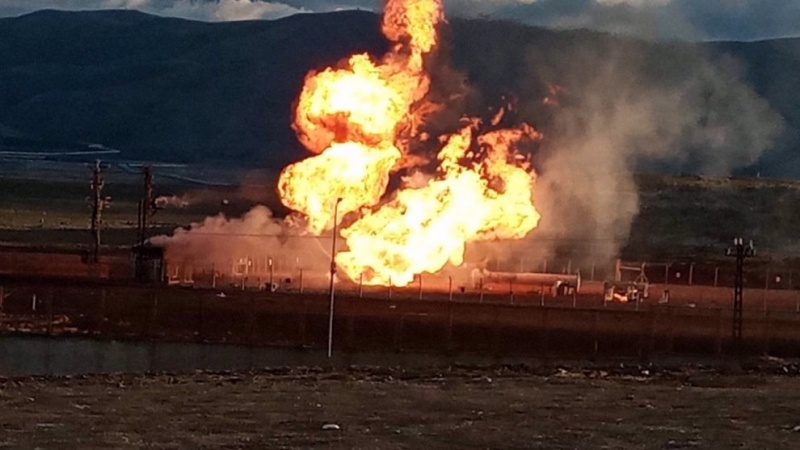
Turkey is dragging its feet on repairing a pipeline which was hit by an explosion in late March, stopping Iran’s gas exports to the country, the Fars news agency says.
Iran sells about 10 billion cubic meters a year of gas to Turkey under a 25-year supply deal signed in 1996. The pipeline has been blown up several times by PKK terrorists, but it has been repaired and the gas flow has continued shortly.
However, after another blast occurred on the pipeline on March 31, an official at the National Iranian Gas Company (NIGC) said the Turkish side was not responding even as Iran had informed it of the incident.
According to Mehdi Jamshidi-Dana, Turkey’s representative at Bazargan gas transmission station had left his post due to the outbreak of the novel coronavirus.
The official said it was not clear when the line would re-open, but he cited past experience which showed “repairing the lines takes three to seven days, depending on the amount of damage done".
On Wednesday, Fars suggested that the pipeline is still out of service, citing Turkish state energy company Botas’ dilly-dallying and unwillingness to repair it.
The news agency speculated that the situation must be the result of aggressive US efforts to push its liquefied natural gas (LNG) into Turkey.
Heavily dependent on gas imports from Russia, Turkey has already reduced flows from Gazprom significantly, while increasing LNG purchases and gas imports from Azerbaijan.
“In recent months, Turkey has imported as much LNG from the United States as gas imports from Iran,” Ali Nasr, an energy expert, told Fars.
Last November, Turkey marked the completion of the Trans-Anatolian Natural Gas Pipeline (TANAP) to carry gas from Azerbaijan’s Shah Deniz II field to Europe.
In January, the presidents of Turkey and Russia formally launched the TurkStream pipeline to carry Russian natural gas to southern Europe through Turkey.
SS