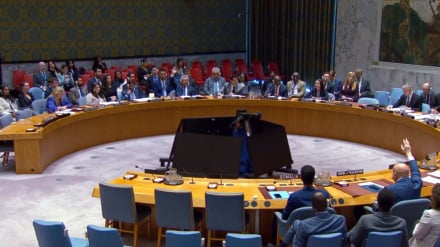
Senior Iranian diplomat: Unilateral sanctions constitute crimes against humanity
-
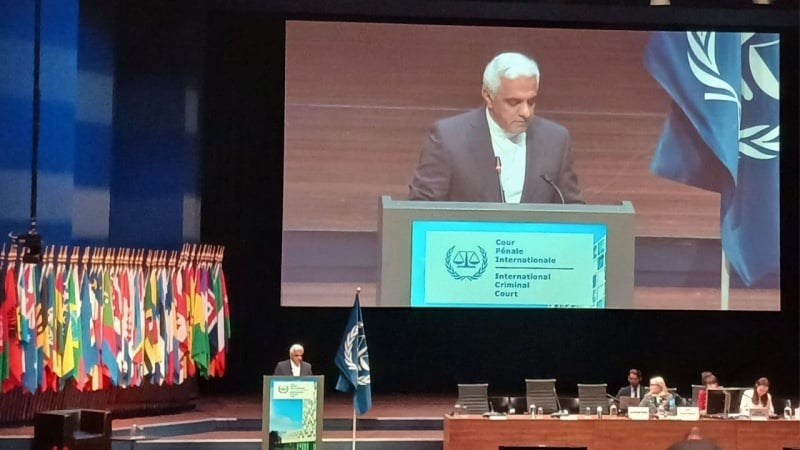
Abbas Bagherpour, head of Iran’s delegation and Director General of International Legal Affairs at the Iranian Ministry of Foreign Affairs
Pars Today – The head of Iran’s delegation at the Assembly of States Parties to the International Criminal Court in The Hague, Netherlands, described unilateral sanctions as constituting crimes against humanity.
Abbas Bagherpour, head of Iran’s delegation and Director General of International Legal Affairs at the Iranian Ministry of Foreign Affairs, highlighted the harmful effects of unilateral coercive measures and sanctions on the Iranian people, particularly patients. He emphasized that, given their widespread consequences and direct targeting of ordinary people’s lives and health, these actions constitute “full-scale crimes against humanity” and must be addressed under international law.
The senior Iranian diplomat, explaining the Islamic Republic’s perspective on the need to combat impunity and ensure the effective prosecution of perpetrators of the most serious international crimes, referred to the approval of the “International Crimes” bill by the government and its submission to Iran’s Parliament. He stated that the bill was drafted to establish a specialized framework for the legal prosecution of genocide, crimes against humanity, war crimes, and the crime of aggression, reflecting Iran’s commitment to constructive participation in combating impunity at both national and international levels.
Bagherpour described the current state of the international system as alarming, stating that unilateralism and the normalization of war crimes and genocide have overshadowed efforts to achieve justice.
The head of Iran’s delegation and Director General of International Legal Affairs at the Iranian Ministry of Foreign Affairs also emphasized the importance of the independence and impartiality of the International Criminal Court, its judges, and staff, calling for them to carry out their duties free from external influence, pressure, or threats.
Abbas Bagherpour, emphasizing that the realization of international criminal justice and the effective response to serious crimes is only possible through collective cooperation and genuine adherence to the principles of international law, stressed the need for joint efforts to create a favorable environment for He concluded by noting that, under such circumstances, the International Criminal Court faces a serious test, and future generations will judge its performance.