Gharibabadi: Iran rejected U.S. proposal in talks over excessive demands
-
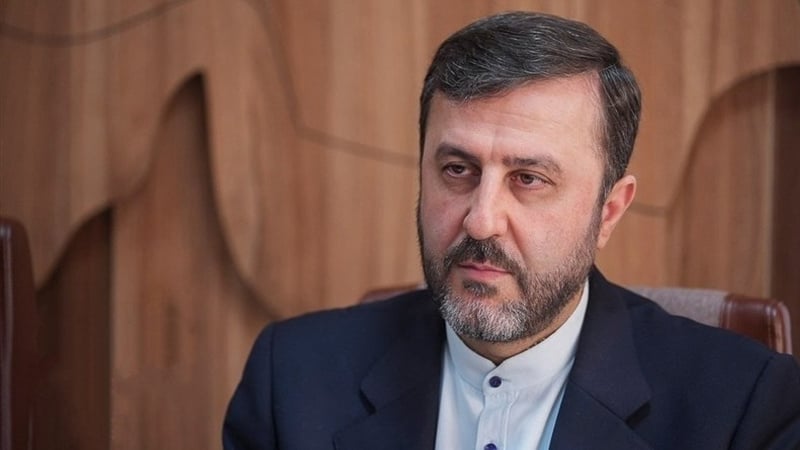
Kazem Gharibabadi, Iran's Deputy Foreign Minister for Legal and International Affairs
Pars Today – Iran's Deputy Foreign Minister for Legal and International Affairs said that during negotiations in Islamabad, the Iranian delegation rejected a U.S. proposal because it contained excessive demands.
According to Pars Today, citing Mehr News Agency, Kazem Gharibabadi, Iran's Deputy Foreign Minister for Legal and International Affairs, said at the Sacrificing Jurists conference that negotiations began in Islamabad, where the U.S. side presented a proposal reflecting excessive demands. He said the Iranian delegation explicitly rejected the proposal.
Gharibabadi continued that the U.S. side stated that if the proposal were rejected, the negotiations would be considered a failure and the American delegation would leave. He said that this is ultimately what happened, with the U.S. delegation withdrawing from the talks.
He emphasized that the Iranian delegation made no effort to insist on or plead for the continuation of the negotiations, describing this approach as an example of the Islamic Republic of Iran's dignified diplomacy.
Gharibabadi also referred to developments concerning the Strait of Hormuz, saying that after the Islamic Republic of Iran closed the strategic waterway again following U.S. crimes more than two weeks ago, talks were held in Oman.
He said the other side insisted that the southern shipping route, which had been opened for commercial vessels, remain open until the Iran-Oman negotiations reached a conclusion and only then be closed. According to Gharibabadi, however, the Iranian delegation rejected the proposal.
"We made it clear that regardless of the outcome of the negotiations, the Islamic Republic of Iran's fundamental policy has been clear since the beginning of the war, and such proposals would not be accepted," he said.
Gharibabadi added that Iran subsequently continued its policy of keeping the Strait of Hormuz closed and maintaining a strict maritime blockade, as another manifestation of the Islamic Republic's diplomacy.