Iran, Russia agree to exchange scientific delegations
-
Iran, Russia agree to exchange scientific delegations
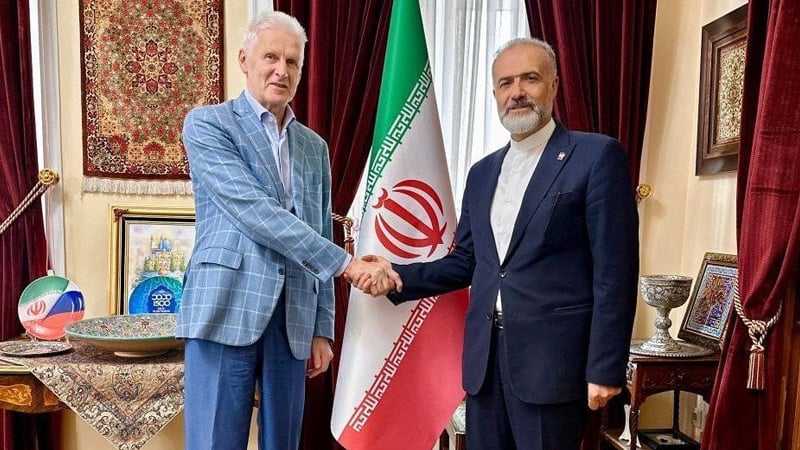
Pars Today – Iran’s ambassador to Moscow and the Russian president’s aide for science and education have discussed new prospects for bilateral cooperation.
According to Pars Today, citing IRIB, Kazem Jalali, Iran’s ambassador to Moscow, and Andrei Fursenko, aide to the Russian president for science and education, agreed to make the necessary arrangements for the exchange of high-level scientific and knowledge-based delegations in the near future.
During the meeting, the two sides reviewed the latest state of scientific and academic relations and stressed the two countries’ firm determination to expand comprehensive cooperation among universities, research centers, and, in particular, knowledge-based companies.
Jalali described educational and technological capacities as the foundation of Tehran-Moscow strategic relations, while Fursenko reaffirmed Russia’s full readiness to expand such cooperation.
In a separate development, Daniil Yegorov, head of Russia’s Federal Tax Service, met with the Iranian ambassador to Moscow to discuss various issues related to bilateral and multilateral cooperation.
During the meeting, Iran’s ambassador thanked Russia’s Federal Tax Service for its cooperation with its Iranian counterpart and stressed the need to further enhance such cooperation.
Jalali also highlighted the importance of leveraging the expertise of the two countries’ specialists to exchange technical knowledge and use advanced technologies, particularly artificial intelligence, in the field of taxation.
He said expanding tax cooperation between the two countries, particularly within the Eurasian and BRICS frameworks, and utilizing the capacities of other countries in these groupings would be highly important for decentralizing Western-centric financial and tax systems.