EU approves new sanctions against Russia
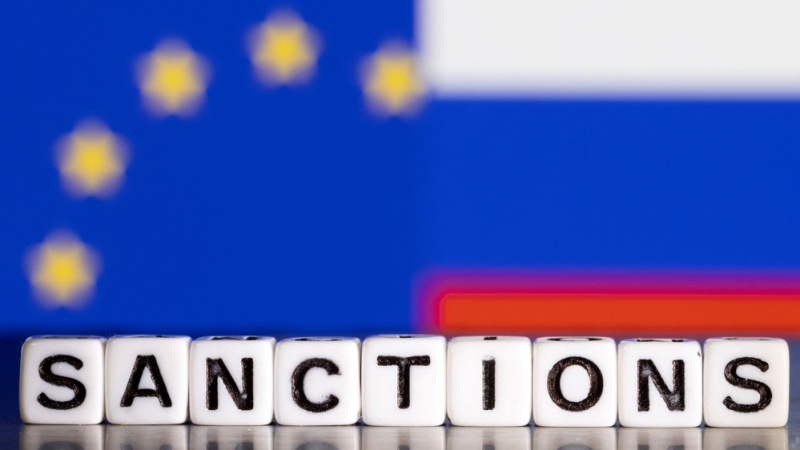
European Union governments have agreed to the 11th package of sanctions on Russia, which enables the bloc to punish third countries and companies for circumventing existing measures.
Sweden, which holds the bloc’s rotating presidency, said on Wednesday that the new measures were approved at a meeting of EU ambassadors in Brussels.
The package forbids transit via Russia of an expanded list of goods and technology which might aid Russia's military or security sector.
According to this new mechanism, if third countries, for example in Central Asia, fail to comply with Western sanctions or can’t explain a sudden rise in trade in banned goods, they could face EU punishment.
Details of the measures will be unveiled later this week when the sanctions are officially adopted by written procedure.
European Commission President Ursula von der Leyen welcomed the decision, saying the package will deal another blow to Russia "with tightened export restrictions, targeting entities supporting the Kremlin.”
“Our anti-circumvention tool will prevent Russia from getting its hands on sanctioned goods,” she added.
The new sanctions list includes three China-based companies and Hong Kong-based firms, several diplomats have told media, speaking on condition of anonymity because the final document is not yet public.
“China is a permanent member of the UN, and this comes with responsibility. And China has influence on Russia, so we expect China to use this influence to convince Russia to sit down at the negotiating table,” Leyen said in an interview with CNBC channel.
European diplomats claimed China vowed to put pressure on these companies to stop their activities, after the names were leaked in early May and following high-level contacts between the European Commission and Beijing.
Five companies were reportedly taken off the list while the three remaining, registered in Hong Kong and little known, were suspected of being Russian-owned, officials added.
The new EU package extends the suspension of EU broadcasting licenses of five Russian state-controlled media. It also adds a further 71 persons and 33 entities to those banned from the EU and with EU assets frozen.
SS