Ramazan in Iran (3)
Jun 11, 2018 08:11 UTC
The three nights of 19, 21 and 23 of the blessed month of Ramazan are the nights of Qadr. Some Islamic narrations add the 27th night to this list. However, the latter one is mostly common among Sunni Muslims.
The noble Qur’an was sent down to Prophet Mohammad (SAWA) in one of the said nights. 19 of Ramazan is the day on which Imam Ali (AS) was struck a fatal blow while in Fajr prayer in the mosque of Kufa. This tragic event led to the Imam’s martyrdom two days later. Thus, from 19-21 of Ramazan are observed with mourning ceremonies throughout Iran and among Shia Muslims across the world.
Qadr means measuring, evaluation, ordainment and determination. The night of Qadr is very important since it is the time of determination of our fate for one year. According to the noble Qur’an it is superior to one thousand months. The reason why this night was not specified by the Prophet or the infallible Imams of his progeny was to give Muslims three nights to pray and supplicate at the divine court with the hope of getting closer to God.
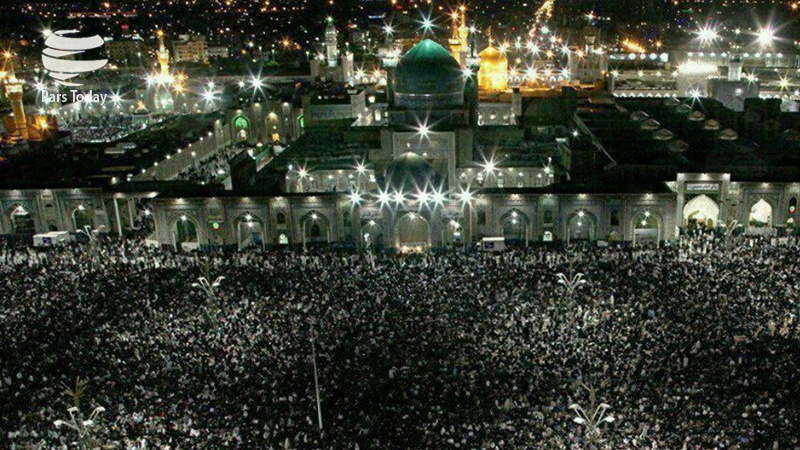
Everywhere in Iran there are ceremonies in these nights. Muslims gather in mosques and Husseiniyahs to recite special surahs of the Qur’an, and prayers and supplications recommended for these nights.
In the nights of Qadr, Muslims try to keep vigil till dawn as it is highly stressed by the Prophet and his infallible successors (12 Imams). The observances of the nights of Qadr are almost identical allover Iran. The faithful perform ritual washing of body (ghosl) before Ifatr (breaking the fast). After the Iftar they go to mosques and perform special prayers, read specified surahs of the Qur’an and read special supplications. The most famous supplication of the nights of Qadr is Jowshan Kabir. This supplication is composed of 100 passages and each passage contains 10 names and epithets of God.
Another observance of the nights of Qadr is holding a copy of the Qur’an on the head while swearing by God through His right and the right of the 14 infallible personalities, i.e. Prophet Mohammad, Lady Fatima, Imam Ali, Imam Hassan, Imam Hussein and the 9 Imams after him (Blessings of God upon them). This is indeed a kind of seeking intercession of these noble beings in the divine court. In some regions it is customary that after the night vigilance and supplication the attendees of the ceremony are served with simple foods as Suhur. Basically, in the nights of Qadr every deed is multiplied in terms of reward. Therefore, Muslims try to do more good deeds.
It is interesting that many people choose the nights of Qadr as the time for fulfilling their vows.
RM/SS
Tags