-

Britain’s economy dangerously exposed as coronavirus fear grips global markets
Mar 02, 2020 13:08The economic consultancy Oxford Economics said the UK, while on the periphery of the virus outbreak so far, was always going to suffer from the negative impact on tourism and disruption to imports from East Asia. But the slump in share prices had opened up “a new channel through which the coronavirus outbreak could weigh on the UK economy”.
-
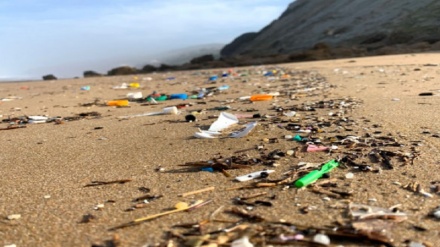
Scientists gather to study risk from microplastic pollution
Feb 27, 2020 11:05Tiny bits of broken-down plastic smaller than a fraction of a grain of rice are turning up everywhere in oceans, from the water to the guts of fishes and the abdominal of sea otters and giant killer whales. Yet little is known about the effects of these “microplastics”— on sea creatures or humans.
-
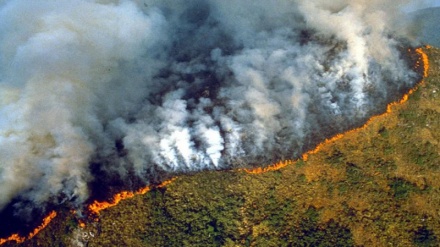
World leaders urged to 'step back from precipice' of ecological ruin
Feb 23, 2020 10:45A statement, which was released through non-profit thinktank Aspen Institute reads “The loss and degradation of nature jeopardizes human health, livelihoods, safety and prosperity. It disproportionately harms our poorest communities while undermining our ability to meet a broad range of targets set by the United Nations’ sustainable development goals. We must rise above politics and ideology to unite the global community around the urgent cause of protecting our planet and way of life.”
-

Exploring why mindfulness meditation has positive mental health outcomes
Feb 21, 2020 07:01Researchers suggest that consistently practicing mindfulness meditation encourages self-compassion, helping people to find greater meaning in their life, but also reducing the tendency to avoid or escape from unpleasant thoughts or emotions that cause pain, suffering or discomfort. Combined, these three factors could lead to improvements in wellbeing and mental health.
-
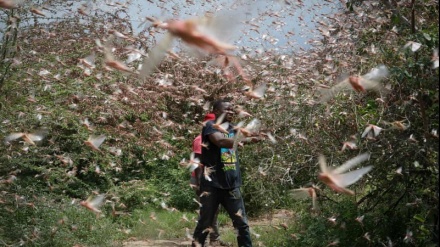
A humanitarian crisis looms in Africa unless Africans act fast to stop the desert locust
Feb 17, 2020 12:05History is now in danger of repeating itself. But on a much bigger scale. The worst outbreak of desert locusts in decades is currently underway in the Horn of Africa. It is the biggest of its kind in 25 years for Ethiopia and Somalia — and the worst Kenya has seen for 70 years. The impacts of the outbreak in these countries are particularly acute as pastures and crops are being wiped out in communities that were already facing food shortages.
-
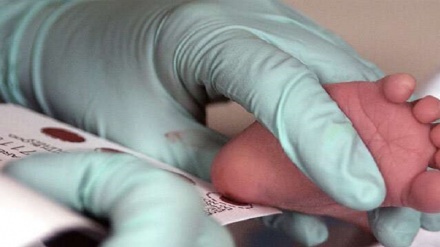
Predicting autism risk may begin with a drop of blood
Feb 16, 2020 08:53Principal Investigator Robert Naviaux, professor of medicine and pathology at UC San Diego School of Medicine said “We know from the history of certain genetic diseases, such as PKU, that if children can be identified before the first symptoms have appeared, then the disease can be prevented, even though the children have the DNA mutations,” adding, “I believe that over half of autism cases may be preventable if only we had a way to identify the children at risk before the first symptoms appear.
-

‘Hot spot’ may explain why African-Americans feel greater pain
Feb 10, 2020 12:41Despite the persistence of the slavery-era myth that African-Americans are less sensitive to pain than people of other backgrounds (as a large fraction of white laypeople, medical students, and hospital residents in a 2016 study believed), the science is unambiguous. African-Americans, and in some studies Latinxs, report more pain from the identical stimulus (being touched with something very hot, for instance) than non-Hispanic white people.
-

Could ‘young’ blood stop us getting old?
Feb 06, 2020 09:55A clutch of scientific startups are trying to discover the secrets of parabiosis and use them to tackle age-related disease. By identifying factors in plasma that change with age, they aim to create therapies that either supplement what’s beneficial in young blood or to inhibit what’s detrimental in old. One is even beginning to report early clinical trial results.
-
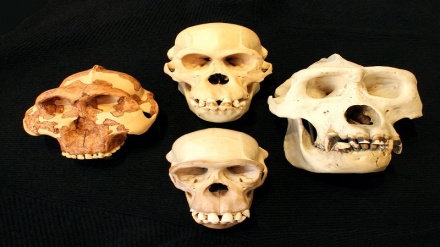
How smart were our ancestors? Answer isn’t in brain size, but blood flow
Feb 05, 2020 11:03Researchers have often assumed increases in intelligence in human ancestors (hominins) occurred as brains grew larger. This is not an unreasonable assumption; for living primates, the number of nerve cells in the brain is almost proportional to the brain’s volume. Other studies of mammals in general indicate the brain’s metabolic rate — how much energy it needs to run — is nearly proportional to its size.
-

Personalized diets may be the future of nutrition, but the science isn’t all there yet
Feb 03, 2020 13:13Nutrition recommendations have focused on properties of food, debating whether focusing on calorie counts, carbohydrates, fats or proteins might be more important. But more studies are showing that people’s bodies can react very differently to the same foods, and standardized nutrition advice doesn’t fit everybody.