-
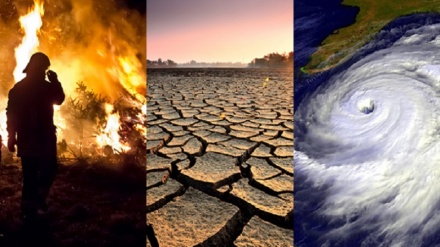
Scientists say we need these six things to meet climate goals
Feb 02, 2020 07:46In a multi-faceted study that drew upon workshopping, surveying, and an assessment of scientific and academic literature, the researchers examined the elements most likely to help society limit global warming by transitioning to a carbon-neutral state by 2050.
-
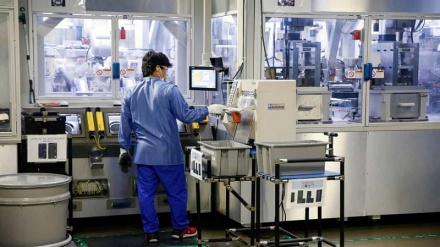
Automation isn’t wiping out jobs. It’s that our engine of growth is winding down
Jan 29, 2020 06:53In the context of economic stagnation, even small increases in productivity are enough to destroy more manufacturing jobs than are created. The best explanation for this worsening economic stagnation is that, since the 1970s, more and more countries adopted export-led growth strategies, built up manufacturing sectors and began to compete in global markets. In this context, countries with high levels of robotization are not necessarily the ones that have lost the most industrial jobs.
-
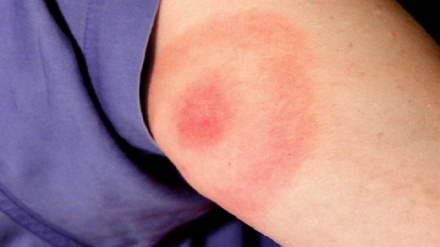
Lyme disease patients fight for their lives while academics fight each other
Jan 29, 2020 06:51A study from Johns Hopkins demonstrated that 23 percent of Lyme rashes are not properly diagnosed. The blood tests used to diagnose Lyme are four decades old and unacceptably inaccurate: A review of eight studies that evaluated the effectiveness of these tests revealed that they miss more cases than they diagnose. The result is that many people go undiagnosed and misdiagnosed, leading to a life that can be devastatingly altered or worse.
-
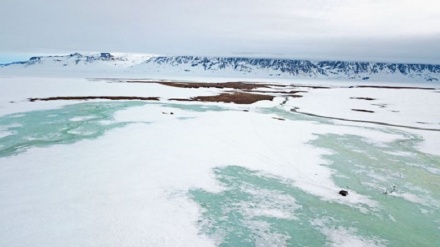
Extreme snowfall kept most plants and animals in one arctic ecosystem from reproducing
Jan 27, 2020 12:25A study published October 15 in PLOS Biology documents an ecosystem-wide reproductive collapse around Zackenberg in 2018. Reneerkens and colleagues found out that most plants and animals, including everything from arctic foxes to tiny Dryas flowers, failed to reproduce that year, because an extremely snowy winter left much of the ground covered with snow well into summer.
-
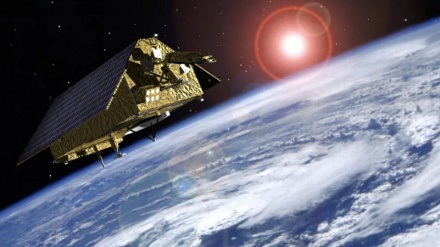
Two new satellites to be launched this year to track Earth’s rising oceans
Jan 19, 2020 06:01Josh Willis, a climate scientist at NASA’s Jet Propulsion Laboratory in Pasadena, California, said in a statement “Global sea level is, in a way, the most complete measure of how humans are changing the climate.”
-
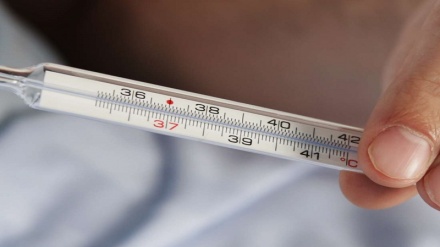
Body temperature: What is the new normal?
Jan 15, 2020 12:43Body temperature can indicate and be influenced by many factors; lifestyle habits, age, and ambient temperature can all influence how our body disperses heat. Body temperature is also a marker of metabolic health.
-
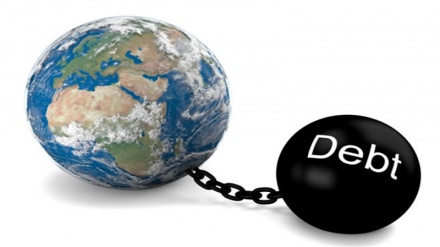
Debt will kill the global economy, but it seems no one cares
Jan 10, 2020 06:03The World Bank said emerging-market and developing economies (EMDEs) had pushed their borrowing to a record $55 trillion (£42 trillion) in 2018.
-
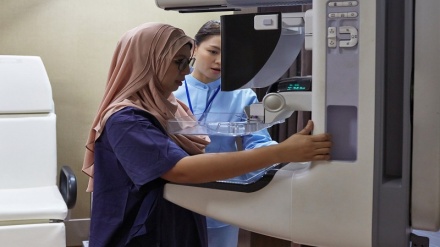
People with mental illness less likely to get cancer screening
Jan 06, 2020 12:59Lead author Dr. Marco Solmi, a psychiatrist and researcher at the University of Padua in Italy and colleagues said: “Early cancer screening has been shown to reduce mortality, and delayed cancer diagnosis among people with mental illness could be one reason they are also more likely to die of cancer than the general population.”
-

End of disastrous 2019, start of unpredictable 2020
Jan 01, 2020 10:52Wednesday marks the start of the year 2020 of the Christian Gregorian calendar that was ushered in at midnight in the West and in societies influenced by western culture.
-
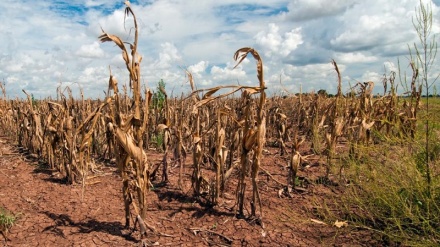
Climate crisis threatens a third of plant species, endangering food supply
Dec 26, 2019 05:01"Botanists have made a new census of terrestrial plants — only to find that with nearly 40% of them rare, or extremely rare, this may put food at risk", says Tim Radford, environmental activist in an article published in the Truthout website under the heading: “Climate crisis threatens a third of plant species, endangering food supply.”