-
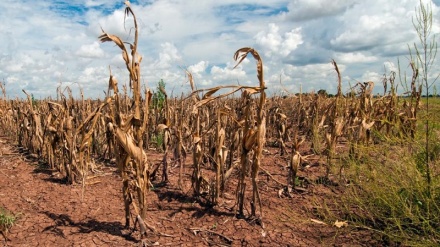
Climate crisis threatens a third of plant species, endangering food supply
Dec 26, 2019 05:01"Botanists have made a new census of terrestrial plants — only to find that with nearly 40% of them rare, or extremely rare, this may put food at risk", says Tim Radford, environmental activist in an article published in the Truthout website under the heading: “Climate crisis threatens a third of plant species, endangering food supply.”
-
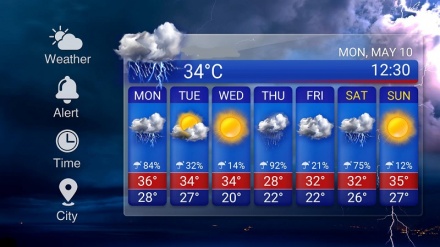
5G won’t give you cancer, but it is messing up weather reports
Dec 26, 2019 04:54Both 5G and weather monitoring rely on the electromagnetic spectrum to work. If 5G encroaches into the space the weather satellites need to work then it creates an interference that blinds weather monitoring systems.
-
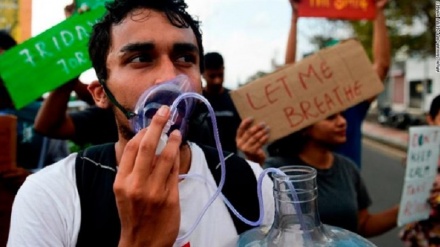
In Asia Pacific climate crisis is happening now, not in future
Dec 26, 2019 04:48Many big Asian cities, including Mumbai, Shanghai, Bangkok, and Jakarta, are coastal and low-lying, making them susceptible to sea level rise and other extreme weather events.
-
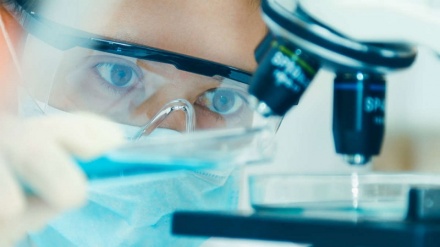
Plastics chemicals are disrupting our hormones, and the FDA is dragging its feet (2)
Dec 23, 2019 12:57"It is clear that the FDA is not using modern science in protecting the public from potentially toxic chemicals. It is also clear that BPA and other endocrine disruptors threaten to disrupt the status quo of toxic chemical regulation", says Lynne Peeples, environmental health reporter from Seattle.
-
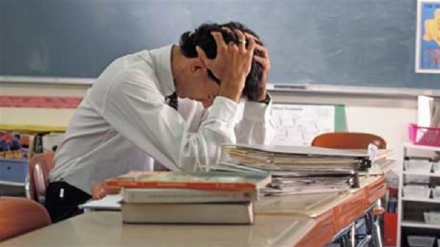
Low income and work stress contribute to link between education, heart disease, stroke
Dec 22, 2019 07:00Among healthy individuals, those with a low educational level have a higher risk of developing cardiovascular disease than those with a high educational level.
-
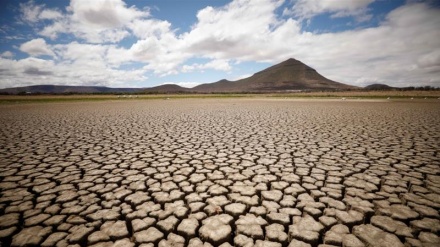
Forget about water at your peril
Dec 21, 2019 12:34Even by climate change's destructive standards, water is in an increasingly grim bind. Droughts and monster floods are having devastating effects on the human civilisation, as the situations in much of Africa, Australia, and China attest.
-
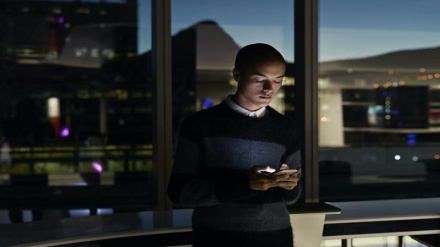
Would you trust AI with your mental health?
Dec 19, 2019 05:43Digital mental health has the potential to provide access to those people who are afraid to seek care because of perceived stigma. For many people, the idea of going along to a therapist for psychological care is embarrassing and they are worried about what other people think, so instant access on the phone or via the Internet can be a good way to circumvent this barrier.
-
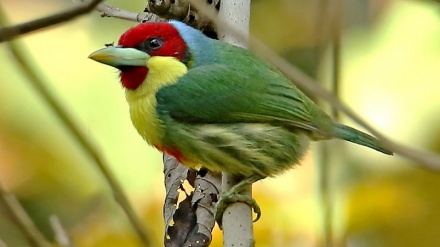
Birds getting smaller, scientists see echo of climate change
Dec 13, 2019 05:41Some research has already shown birds as a group are at risk. A separate study published in September in the journal Science found that human activities and ecological changes are already having a devastating impact on bird populations.
-
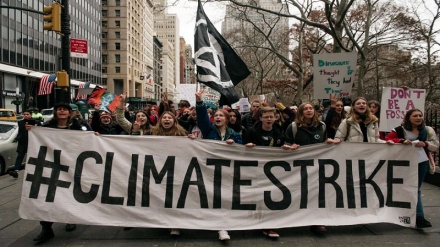
The climate emergency has already begun as earth systems collapse
Dec 09, 2019 11:56More than 11,000 scientists across 153 countries are shouting out a new climate change warning. The delay for action has been too long. Addressing our rapidly degrading and already overly dangerous climate is now officially an emergency.
-
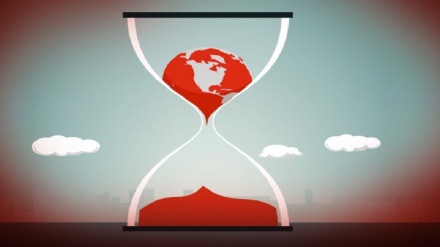
Are we really in a sixth mass extinction?
Nov 20, 2019 07:05The Earth is currently experiencing an extinction crisis largely due to the exploitation of the planet by people. But whether this constitutes a sixth mass extinction depends on whether today’s extinction rate is greater than the “normal” or “background” rate that occurs between mass extinctions.