-
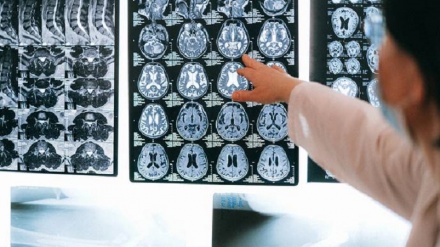
Why are some scientists turning away from brain scans?
Dec 16, 2020 12:05Researchers have realized a person’s brain scan results can differ from day to day – even under identical conditions – casting a doubt on how to document consistent patterns. With so many questions being raised, some researchers are acknowledging the scans’ limitations and working to overcome them or simply turning to other tests.
-
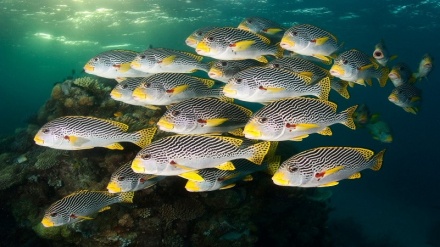
In rare show of solidarity, 14 key nations commit to protect oceans
Dec 16, 2020 11:04When the heads of state of 14 nations sat down together in late 2018 to discuss the grim condition of the world’s oceans, there was no certainty that anything consequential would result. The leaders planned 14 gatherings, but met only twice before the pandemic upended their talks. So when the group announced recently the world’s most far-reaching pact to protect and sustain ocean health, it signaled a bit more than a noteworthy achievement in a complicated time.
-
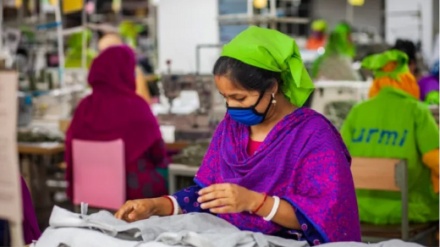
Making headlines: COVID-19 and gender inequality
Dec 03, 2020 11:41We have repeatedly heard about how COVID-19 disproportionately affects women. While men are more likely to die from the virus, in many other respects, women are bearing the brunt of the pandemic’s impact.
-
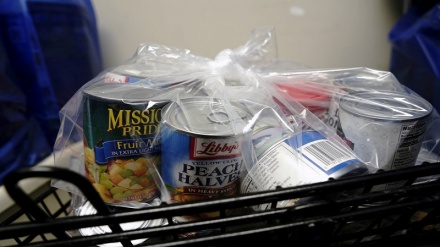
We all have a part to play in the war against food waste
Nov 25, 2020 10:56On September 29, the UN Food and Agriculture Organization (FAO) and UN Environment Programme observed the first-ever International Day of Awareness of Food Loss and Waste. They urged everyone to take action to reduce food loss and waste across the entire agricultural value chain.
-
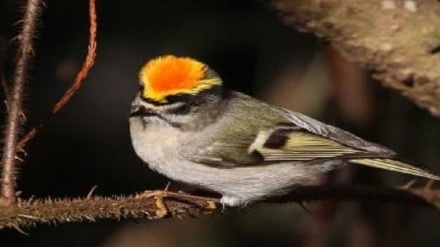
Migration, molt affect how birds change their colors
Nov 12, 2020 06:15In late summer and autumn, millions of birds fly above our heads, often at night, winging their way toward their wintering grounds. Before the journey, many birds molt their bright feathers, replacing them with a more subdued palette. Watching this molt led scientists to wonder how feather color changes relate to the migrations many birds undertake twice each year.
-
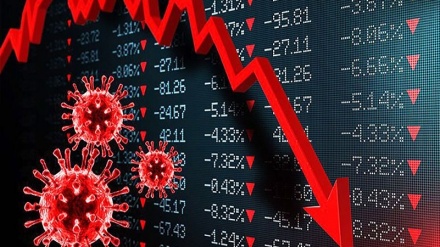
A long, uneven and uncertain ascent
Oct 26, 2020 12:51Except for China, where output is expected to exceed 2019 levels this year, output in both advanced economies and emerging market and developing economies is projected to remain below 2019 levels even next year. Countries that rely more on contact-intensive services and oil exporters face weaker recoveries compared to manufacturing-led economies.
-
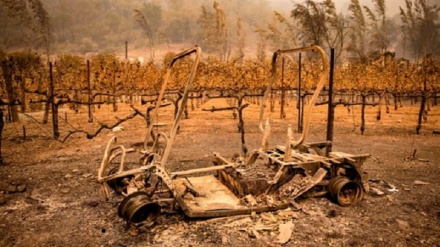
COVID-19, climate crisis are part of same battle
Oct 05, 2020 12:09From early on in the COVID-19 pandemic, a common refrain has been, “At least maybe now we will get serious about addressing climate change.” One can certainly see the logic behind this thinking. The terrible toll the pandemic has taken should remind us of the importance of three things that are also necessary to tackle global warming: Science, public policy, and international cooperation.
-
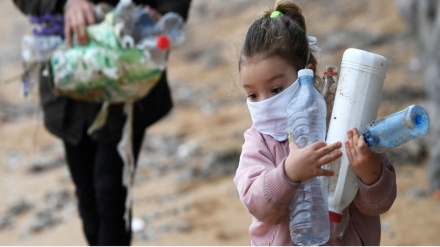
Damage of single use plastic usage during pandemic ‘will last forever’
Oct 01, 2020 07:38Environment campaigners have said action is needed to limit the use of “unnecessary” single-use plastic during the pandemic. During lockdown many chains banned the use of reusable cups for safety reasons, while disposable face masks have been found dropped on beaches.
-

Might we find life on Venus?
Sep 25, 2020 06:07On September 17 a group of scientists using Earth-based telescopes announced that they had detected phosphine in the atmosphere of Venus. On Earth, phosphine is almost always produced by microbial activity. While geological processes are known that can, in principle, produce phosphine, the concentrations of the gas found on Venus, while small, were nevertheless much too high to be attributable to such sources. So how could the phosphine have gotten there? The simplest explanation is life.
-
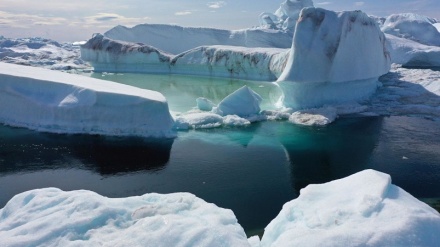
The tipping points at the heart of climate crisis
Sep 24, 2020 11:55We have known for years that many parts of the climate have so-called tipping points. That means a gentle push, like a slow and steady warming, can cause them to change in a big way that is wholly disproportionate to the trigger. If we hit one of these tipping points, we may not have any practical way to stop the unfolding consequences.