Trump's spat with UK ambassador shows he doesn't understand diplomacy
Jul 19, 2019 19:15 UTC
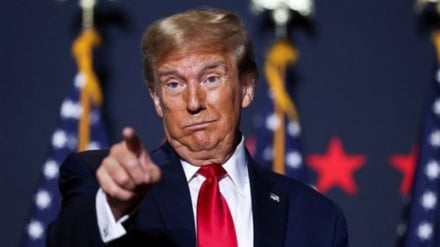
The US president recently made a fool of himself by reacting harshly and using foul language for the British representative, whose normal and remarkably accurate confidential report to the Foreign Office in London on the chaotic situation in Washington, was leaked to the media by someone intending to embarrass and possibly bring about the dismissal of seasoned diplomat Kim Darroch.
Stay with us for an Open Letter to Donald Trump in this regard that appeared on the ‘Think Opinion & Analysis’ site, titled: “Trump's spat with UK ambassador shows he doesn't understand diplomacy.”
The writer is Brett Bruen, former director of global engagement during President Barak Obama’s term at the White House, who says: “If you want to penalize every diplomat for providing an honest take on the goings-on at the White House, you'll cut off relations with just about everyone.”
Welcome to the world of diplomacy, Mr. Donald Trump. It is a cruel place in which ambassadors and their staffs in Washington spend their days trying to squeeze secrets and strategies out of officials. They then cable them back to their capitals with frank, often not-so-glowing assessments.
It should come as no surprise that even ambassadors of our close friends sometimes say unkind things about us, as the recently leaked cables from British ambassador Kim Darroch made painfully clear. When the UK envoy relayed to his colleagues back home his unvarnished judgment that you are “inept,” “insecure” and “incompetent,” he was just doing his job.
I know you’re not a big fan of candid appraisals, but can I speak frankly here? This is Diplomacy 101. You, Mr. President, your team, and all those who go to fancy embassy cocktail parties in Washington D.C. should know well how the game is played.
We diplomats don’t operate the way our friends at Langley do. We don’t bribe, steal or threaten. Our work is much more subtle. Every ambassador dines and forges bonds with high-level officials looking for a morsel of gossip that is not yet in the news. Once obtained, they send it back to their ministry wrapped in trenchant analysis and gain brownie points for their terrific tradecraft. That's the work of diplomacy. It's pretty much been that way since the Peace of Westphalia in 1648.
This is literally what they tell you in the State Department’s orientation for foreign service officers — we used to call it “charm school”: “Thanks for giving a liver for your country.” You see, a big part of the job is spent in socializing. Socializing is one of the best friends you have as a diplomat; it’s often how you get other diplomats and foreign officials to open up. You remember your pal George Papadopoulous’ night out with an Austrialian diplomat in London? That’s the idea.
There’s also a standard playbook about how you manage or mitigate unflattering revelations from secret cables, now that Wikileaks has made their publication almost routine. It’s how we handled our own red-faced experience when Julian Assange’s website came on the scene: We spent countless hours pouring over old cables, trying to identify potentially damaging statements to try to minimize the damage.
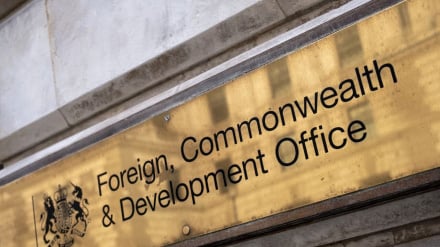
As the British Foreign Office is doing now, we emphasized that diplomats needed to be able to offer honest assessments. They don’t always represent our policy, but it does ensure our leaders have our best insights and ideas. I mean, would you want your ambassadors to adore their hosts or advise you?
For the most part, our foreign counterparts understood the deal, even if they were unappreciative of our criticisms. And whatever their private feelings, they didn't dare send out recent tweets like yours calling the British ambassador "wacky" and "stupid" and "a pompous fool."
Here’s another lesson they should have taught you in first-year diplomacy: Attacking ambassadors for doing their job puts our own diplomats in danger. I know what it feels like to have a foreign president call you out personally. An African coup leader and his cronies threatened me after I spoke out against their human rights abuses. Diplomatic immunity wasn’t going to save me if one of his supporters decided to take matters into their own hands.
The risks run high for the US around the world, as well. If you want to penalize every diplomat for providing an honest take on the goings-on at the White House, you'll cut off relations with pretty much everyone. Since we’re speaking openly, who in this town, including your own chief of staff, hasn’t said a few critical things about your management style?
Still, booting the offending ambassador back home is an option. He’s lost your confidence. You don’t want to deal with him anymore. After all (as all ambassadors do in confidential cables), he seems to have undermined your administration’s standing with his government. And damage your ego – as a result of the leaking of his report to the press.
But there’s a political calculation you need to make in this case. Tossing out Britain’s ambassador means your buddy Woody Johnson, America’s Ambassador to the UK, also likely gets the heave-ho. Apologies for belaboring the point, but that’s diplomacy, Mr. President. It’s called reciprocity. They get to do to us what we do to them. You’ve probably seen some of this at play with your tariffs. And then you’d have to get another ambassador vetted, confirmed and sent over to London.
The other problem is that there’s this thing called Brexit that’s supposed to happen by October 31. It may be even scarier than Halloween. Again, taking liberties here, but it might be good to have a high-level diplomat on site for that. Whether or not the United Kingdom opts for a hard, soft or barely any exit from the European Union, it will have an enormous impact on our relationships with those across the Atlantic. An ambassador can play a critical role in helping to ensure the United States still has strong political, trade and security ties on both sides of the English Channel.
I could go on but my friends who are still working on the National Security Council tell me that you won’t read anything longer than a page, so let me offer a Reader’s Digest summary. Love letters and tweets do not a foreign policy make. You have to invest in relationships that allow for hard truths to be expressed.
Finally, diplomacy is a two-way street. So I would advise driving with some degree of caution while honking America First, and telling others to get off the road.
AS/SS
Tags