Reviving East–West Corridor: Iran to become region’s rail hub
-
Iran’s rail industry
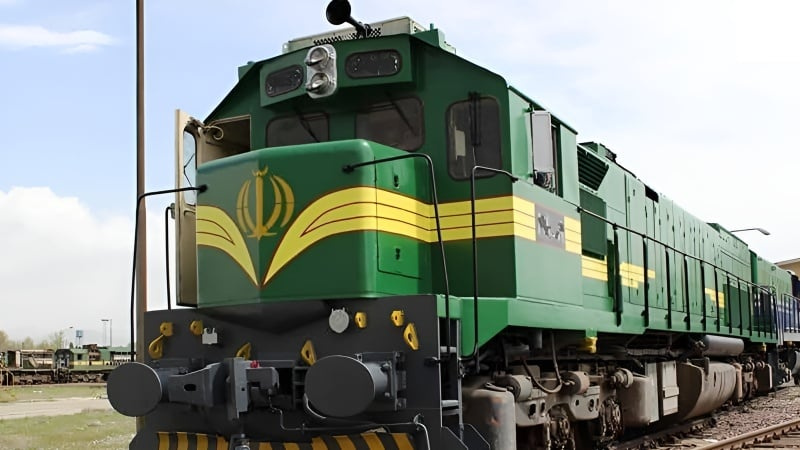
Pars Today — The unprecedented rise in freight trains arriving in Iran from China and Russia is a clear sign that Iran’s rail route is returning to the center of regional trade, offering new opportunities to boost economic security and generate foreign currency through transit.
According to Shahriar Naqizadeh, Deputy for Foreign Trade at Iran Railways, 43 freight trains have arrived from China over the past nine months—a sixfold increase compared to previous years. These trains, mostly carrying solar panels, power plant equipment, and industrial components, have chosen Iran as a safe, fast, and fully land-based alternative to maritime transport, cutting transit times by roughly half.
Simultaneously, the simultaneous arrival of freight trains from China and Russia into Iran’s rail network sends a strong signal to the regional transit market. It demonstrates that Iran is becoming a central hub connecting major rail flows between China, Russia, Europe, South Asia, and West Asia.
Iran Railways officials say the sustained traffic marks a shift from a trial phase to the commercial operation of rail corridors. The revival of the southern branch of the East–West Corridor is the result of six-party agreements between Iran, China, Turkey, Kazakhstan, Uzbekistan, and Turkmenistan, focusing on uniform tariffs, reduced transit times, and coordinated border operations. Statistics show that over 40 trains from China have entered Iran since the start of this year, compared to only seven trains over the past seven years on this route.
According to announced plans, this trend is expected to accelerate in the coming months. Jabbarali Zakari, CEO of Iran Railways, stated that 300 freight trains from China are targeted to arrive by the end of this year—a development that could directly bring in foreign currency from international transport and increase stable transit revenues.
Transportation and transit experts note that the route’s shorter distance, fully land-based continuity, high security, and reliable delivery times distinguish Iran’s rail corridor from competing routes, such as the central corridor or high-risk maritime paths. The diversity of destinations for incoming freight—from Iran’s southern ports to India and Iraq—also highlights the route’s flexibility and strategic importance.