Gharibabadi: Caspian Sea security must be ensured by coastal states
-
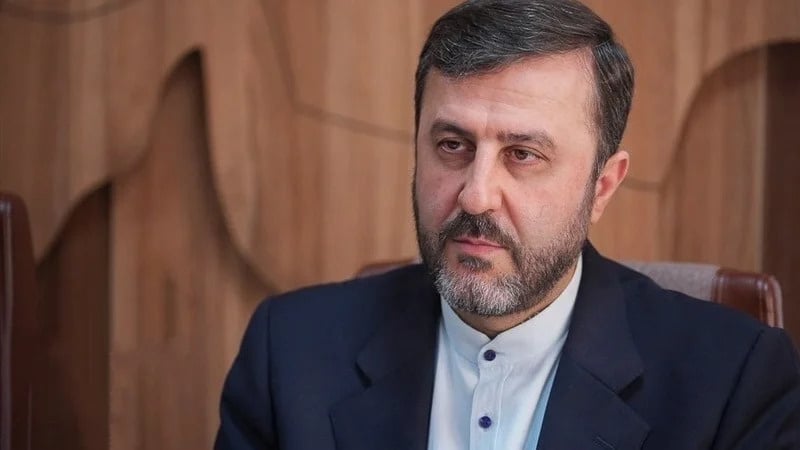
Iran’s Deputy Foreign Minister for Legal and International Affairs, Kazem Gharibabadi
Pars Today – Iran’s Deputy Foreign Minister for Legal and International Affairs, Kazem Gharibabadi, stressed that security in the Caspian Sea is a regional and endogenous responsibility, saying that the Caspian littoral states are capable of—and should be able to—make decisions about the security, stability, and future of the Caspian Sea themselves.
According to Pars Today, citing Mehr News Agency, Kazem Gharibabadi made the remarks at a ceremony commemorating National Caspian Sea Day.
Referring to the significance of the occasion, he said: “August 12, Caspian Sea Day, reminds us of the importance of this body of water and the shared responsibility of the coastal states toward it. We commemorate this day.”
He added: “Twenty-three years ago, on this very day, the five Caspian littoral states signed the ‘Framework Convention for the Protection of the Marine Environment of the Caspian Sea,’ known as the Tehran Convention, in Tehran. Twenty years have now passed since its implementation.”
Gharibabadi said the Caspian Sea has always been more than just a body of water for Iran and its coastal states. He emphasized: “Throughout history, the Caspian has been part of the geography, identity, and relations of the peoples living around it, and it has played a special role in shaping regional ties and connections. For this reason, the Caspian Sea holds particular importance in the strategic calculations of the littoral states and in regional relations.”
The Iranian Deputy Foreign Minister for Legal and International Affairs continued: “The Caspian littoral states are affected by developments in this sea more than any other countries, and naturally, they should also bear the primary responsibility for its security, stability, and future.”
He stressed: “The security of the Caspian Sea is, above all, a regional and endogenous responsibility and must be ensured and maintained by the littoral states through mechanisms agreed upon by them.”
Gharibabadi also referred to the emphasis by the Islamic Republic of Iran and other littoral states on prohibiting the military presence of non-littoral states in the Caspian Sea, saying: “This is important because the security of the Caspian should not become an arena for competition or the presence of powers from outside the region.”
He noted: “The littoral states themselves are capable of, and should be able to, engage in dialogue and make decisions regarding the security, stability, and future of the Caspian Sea. The Caspian can and should serve as an example of a regional security system shaped by the countries of the region and for the countries of the region.”
The Iranian Deputy Foreign Minister for Legal and International Affairs, referring to differences in the views and national priorities of the littoral states, said: “Differences in views and national priorities are natural, and it cannot be expected that the five littoral states will have identical perspectives on all issues. Nevertheless, the Caspian is one of the areas where, despite these differences in perspective, the possibility of dialogue and cooperation among the five countries remains.”
Gharibabadi added: “We believe that, alongside other dimensions of relations among the five countries, the Caspian has the potential to become an important arena for confidence-building and cooperation.”