US military companies against bringing troops home from Syria: Trump

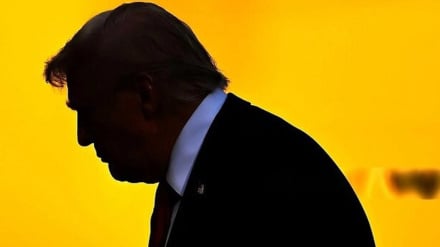
US President Donald Trump says his plans to bring American troops home from Syria and other countries have been met with strong opposition from “military companies,” arguing that it is easier for him to let the soldiers get killed and sent back in coffins instead.
Trump said Monday that ending American military presence overseas was one of his two key campaign pledges -- besides building a wall -- and that he was intent to fulfill that promise despite facing opposition in Washington.
“We're bringing our troops back home,” he told a cabinet meeting at the White House. “I got elected on bringing our soldiers back home. Now, it's not very popular within the beltway because, you know, Lockheed doesn't like it. And these great military companies don't like it. It's not very popular.”
Earlier this year, a report from the Security Assistance Monitor project of the Center for International Policy found that the Trump administration in coordination with US weapons manufacturers made $78.8 billion in arms deals in 2018 alone.
A quarter of those deals involved the production of American weapons overseas, the report stated.
Trump said bringing back the troops was what his supporters asked him when he appeared before a large crowd of 25,000 during a campaign rally in Dallas on Thursday.
“When I said we're bringing our soldiers back home, the place went crazy,” the president said. “But within the beltway, you know, people don't like it. It's much tougher for me. Be much easier for me to let our soldiers be there, let them continue to die.”
He said “the most unpleasant thing” he has to do is meeting with the families of the soldiers who have been killed or sustained injuries while deployed abroad.
“I see that big cargo plane open and I see those coffins get rolled off,” he said.
He referred to his administration’s decision to redeploy forces from Syria to Iraq and said while he did not want to leave any soldiers behind, they should deploy elsewhere before returning to the United States.
"Well, they're going to be sent initially to different parts and get prepared. Then ultimately we're bringing them home,” Trump said.
SS