Temporary Afghan ceasefire to begin after intense violence
A three-day ceasefire is set to come into effect in Afghanistan in observance of the Eid al-Fitr holiday, following weeks of intensified violence across the war-ravaged country.
The truce, which was proposed by the Taliban militant group and agreed by Afghan President Ashraf Ghani, was due to come into force on Thursday, as people celebrate the end of the blessed month of Ramadan.
The three-day ceasefire comes as at least 200 civilians have been killed and some 500 others injured following the Taliban's increasing attacks since the beginning of the fasting month of Ramadan, according to Afghanistan’s Interior Ministry.
The Taliban have denied involvement in the acts of terror and civilian deaths.
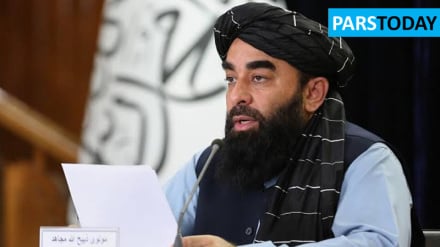
On Monday, the Taliban released a statement, saying the group had instructed its militants “to halt all offensive operations against the enemy countrywide from the first till the third day of Eid.”
Ghani urged the Taliban to announce a permanent truce later in the day.
The development came two days after the latest massacre in Kabul, in which as many as 63 people, all students, were martyred and 150 more wounded in a bomb explosion that took place near Sayed-ul-Shuhada High School in the west of the capital.
The incident is yet to be claimed by any group.
The declaration of the three-day ceasefire by the Taliban has been widely welcomed in Afghanistan.
Locals, who are bearing the brunt of violence, say they expect the Taliban to agree to a permanent ceasefire in the hopes that it would lead to lasting peace.
This will be only the fourth pause in fighting in nearly 20 years of conflict in Afghanistan.
Afghanistan has witnessed a sharp increase in civilian deaths due to rising terrorist attacks in recent months.
Several provinces have been rocked by violence in recent weeks, and on Tuesday the militants seized a key district near the capital, despite the announcement of the three-day truce.
SS