Russian expert: Cultural dialogue distinguishes BRICS
-
Russian expert: Cultural dialogue distinguishes BRICS
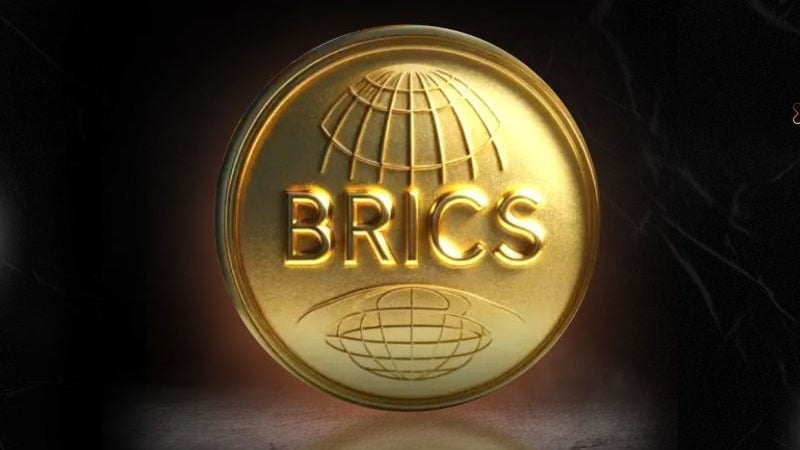
Pars Today – A Russian expert emphasized that cultural dialogue is the very factor that distinguishes BRICS from other alliances such as the Shanghai Cooperation Organization, ASEAN, and the G20.
The BRICS group was initially formed as an economic alliance with a focus on security and development issues. Analysts believe that for BRICS to achieve effective engagement, it is necessary to rethink and shape a new system of social and human coordinates.
According to Pars Today, Nikolay Parkhitko, Associate Professor in the Theory and History of Journalism Department at Russia’s RUDN University, told TV BRICS: “Cultural dialogue is the very factor that distinguishes BRICS from all other alliances, such as the Shanghai Cooperation Organization, ASEAN, and the G20.”
Parkhitko added: “Culture is what has connected humans for centuries—not just individuals, but countries and even continents. I can say with confidence that the cultural dialogue, as it is taking place within BRICS, is a model example of this type of interaction at the level of international relations.”
The Russian expert emphasized: “We can look at the interaction of our cultures. Today, the strategic relationship between Russia and China has reached an unprecedented level. The same applies to Russia’s relations with Iran, Egypt, Ethiopia, and Indonesia.”
In this context, Ruslan Gerbnev, Deputy of the Faculty of Global Processes at Moscow State University, also emphasized that culture, education, and diplomacy are key elements in shaping a shared value-based and normative space within BRICS.
He believes: “Humanitarian cooperation creates sustainable social ties, mutual trust, and shared meanings, which ultimately enhances the legitimacy of decisions made at the intergovernmental level.”
Gerbnev added: “Such cooperation helps consolidate BRICS as an actor in the multipolar world order. As a result, culture, education, and diplomacy elevate interactions among our countries from the level of mere interests to the level of BRICS identity, ensuring the long-term sustainability of the group.”