How Iran became a superpower
-
How Iran became a superpower
Pars Today – Criticism of the U.S. President’s war‑driven policies against Iran has intensified inside the United States.
According to Pars Today, citing IRNA, Jon Ossoff, a Democratic U.S. senator, strongly criticized the president’s warmongering policies against Iran, emphasizing: Donald Trump dragged Washington into a war that no one voted for.
Ossoff said: The 200 billion dollars the White House has requested to finance the war against Iran would have been enough to fund a decade of universal pre‑kindergarten across the country. But instead, we are witnessing a war that no one voted for and no one can explain.
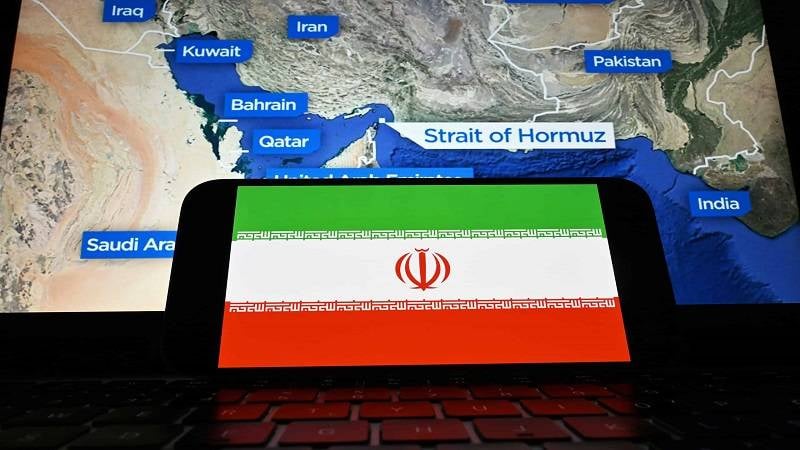
He added, referring to the contradictory statements of the U.S. president about the progress of the war: “On the tenth day of the war, Trump said the war was ‘very complete’; on the eleventh day he said it would ‘end very soon’; on the twelfth day he said ‘we won’; on the fortieth day he said ‘we achieved a full and absolute victory’; and on the forty‑ninth day he said that Iran had opened the Strait of Hormuz, while we heard that the strait is still closed.”
The Democratic U.S. senator also stated that Trump’s war against Iran has so far resulted in the deaths of 13 American soldiers and thousands of civilians and has led to soaring inflation, adding: “Iran is still standing, and its stockpiles of highly enriched uranium also remain untouched.”
The American media outlet The Daily Beast, referring to what it described as a strategic failure of the United States in the war with Iran, wrote that Trump was seeking an easy victory but instead turned Iran into a new superpower.
According to the Daily Beast report, Tehran did not surrender in the first wave of attacks and did not relinquish control of the Strait of Hormuz because it had planned for decades to defend itself in such a scenario, while the United States is now cornered in the ring and forced to make concessions to move past the situation, and likely had not planned for such a confrontation.