Turkey moves to adopt security law after ending controversial emergency rule

Only days after lifting a controversial state of emergency, Turkey moves to approve a new security law, which critics say will result in continued crackdown on opposition and provide state officials with non-liability for important decisions.
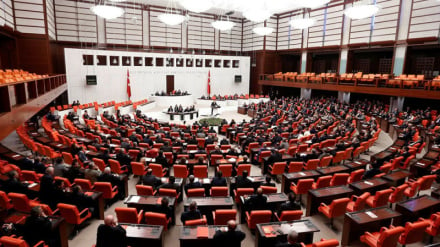
The Turkish parliament adopted late on Tuesday all articles of the security law, which is said to be aimed at fighting terrorism, after the two-year-old state of emergency expired last week. The measure will put to a final vote at the legislature later on Wednesday.
The new law will effectively keep in place the terms of the emergency rule, which had been imposed in the aftermath of an abortive coup against the Ankara government in July 2016.
It will also grant broader authority to local governors, extend detention periods and allow public servant dismissals if there are links to or contacts with terrorist organizations or other perceived threats to national security.
Ankara blames US-based opposition cleric Fethullah Gulen and his supporters for the failed coup.
Under the state of emergency, hundreds of thousands of people with alleged links to Gulen were arrested or dismissed from their jobs.
Ahead of the parliamentary vote, leader of Turkey’s main opposition Republican People’s Party (CHP), Kemal Kilicdaroglu, had said the measure aims to legalize the state of emergency rule, the Hurriyet Daily reported on Tuesday.
“People [state officials] have duties, they have authority but they have no liability. If there is an authority and duty in a state, the person who exercises this authority should have liability. When you take out the liability link from the state, then there will be no state. That is the point that we have reached,” the opposition leader said.
Meanwhile, the measure’s backers say the new security law will strengthen security and help ease Turkey out of the tumultuous period it has witnessed over the past two years.
SS