Islamic Revolution in the Eyes of Intellectuals (4)
Feb 03, 2017 18:00 UTC
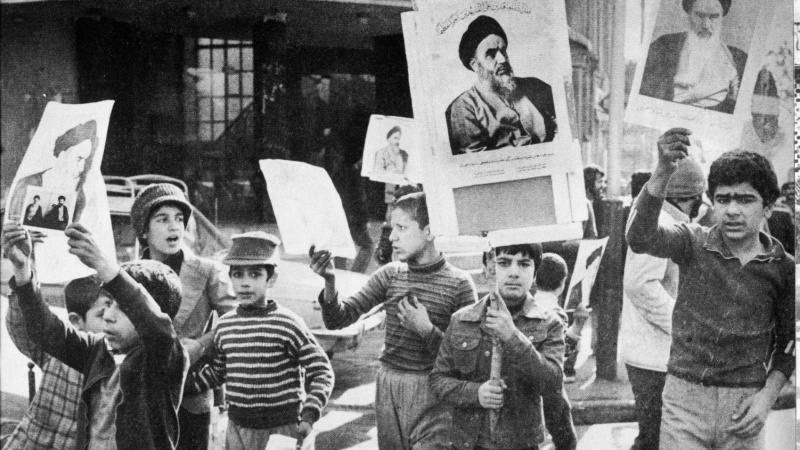
The Islamic Revolution that triumphed in Iran these days in 1979 under the leadership of Imam Khomeini (God bless him) to rid the country from domestic despotism and foreign hegemony, was one of the greatest events of the twentieth century – if not the past few centuries.
One of the factors for its victory was the mass participation of people from all classes and walks of life in the fight against the British-installed and American-backed Pahlavi regime. The second feature which distinguishes the Islamic Revolution from other revolutions is its religious nature. As part of our programmes to mark the 38th anniversary of the victory of the victory of the Islamic Revolution, in a series of short episodes we will attempt to introduce this great Revolution to our listeners from the standpoint of intellectuals. Stay tuned.
Today we will focus on the views of a contemporary US historian, Nickie Keddy, on the cause leading to the victory of the Islamic Revolution. He says: In the eyes of the foreigners, the Islamic Revolution of Iran has always been a part of the contemporary accounts written by authors and analysts. The more the number of years passes, the more one would like to know about how the Islamic Revolution occurred. Of course, when we cited the viewpoints of these intellectuals it doesn’t mean they’ve completely understood the reasons how the revolution occurred. Some of these viewpoints have been far removed from the reality of the Islamic Revolution, and the causes behind it.
Nickie Keddy who is professor of the University of California, has failed to properly analyze the causes of the Islamic Revolution, although her book published in 1981uses the title “Roots of the Islamic Revolution Roots” and claims to provide the historical sequence of events. Later this book was revised with the addition of chapters titled “Results of Iran’s Revolution”. Keddy calls the revolution in Iran a religious, political, social and economic revolution. Accordingly, she takes into consideration events of Iran’s contemporary history from the 19th century till the triumph of the Islamic Revolution.
Among the factors, she points to Iran’s strong cultural nature against imperialism and the specific role of Shi’a Muslim scholars, coupled with public support. Keddy describes the historical conditions in the contemporary history of Iran and considers the August 1953 CIA-engineered coup that toppled Prime Minister Dr. Mohammad Mosaddaq and restored the fugitive Shah to power, thereby resulting in western-backed absolute dictatorship. Among the most important factors noticed by this American author, we can mention the establishment of SAVAK or the brutal secret police by the Shah in the name of security.
She focuses on the Shah’s tyrannical character, increasing dependence on the US, suppressing the liberals and left wing political forces, as well as the Late Imam Khomeini’s thoughts and struggle. Cultural and economic reasons that speeded up the toppling of the Pahlavi regime have also been taken into account by Keddy. On this point, she refers to the imposition of Western patterns on the traditional and Islamic society of Iran, increasing class gap, negative consequences of military weapons purchase, the role of partisan groups and the fights by some intellectuals such as Dr. Ali Shariati in mobilizing the public opinion against the government. The US thus lost one of its most important overseas bases in the world.
MA/AS/SS
Tags