Islamic Revolution in the Eyes of Intellectuals (8)
Feb 07, 2017 17:24 UTC
The Islamic Revolution that triumphed in Iran these days in 1979 under the leadership of Imam Khomeini (God bless him) to rid the country from domestic despotism and foreign hegemony, was one of the greatest events of the twentieth century – if not the past few centuries.
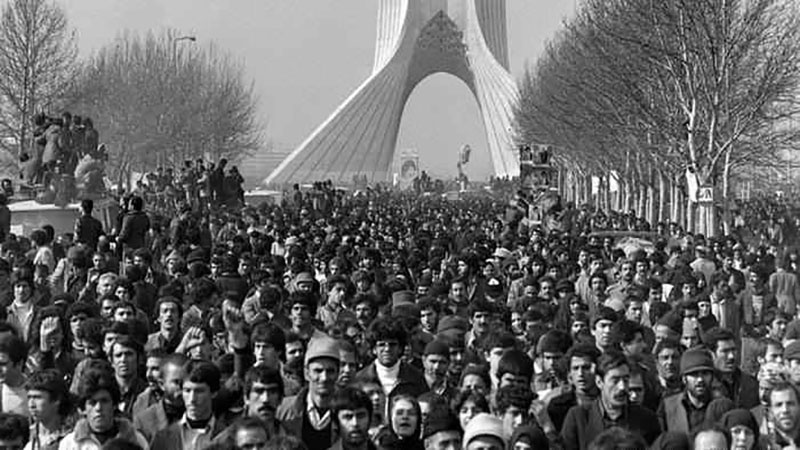
One of the factors for its victory was the mass participation of people from all classes and walks of life in the fight against the British-installed and American-backed Pahlavi regime. The second feature which distinguishes the Islamic Revolution from other revolutions is its religious nature. As part of our programmes to mark the 38th anniversary of the victory of the victory of the Islamic Revolution, in a series of short episodes we will attempt to introduce this great Revolution to our listeners from the standpoint of intellectuals. Today we focus on French philosopher and theorist, Michel Foucault's viewpoints.
As the Islamic Revolution enters its 39th years, we can say that after nearly four decades, there are still quite a number of unspoken words about the great grassroots movement of the Iranian people which not only changed the regional and global equations but it also challenged the existing theories on revolution. None of these theories could ever predict and justify the reasons why the Islamic Revolution occurred. One of the western theorists who has done many studies on the Islamic Revolution is the French philosopher, "Michel Foucault".
Foucault was in Iran during the climactic days of the victory of the Islamic Revolution. He had witnessed the solidarity of the various segments of the Iranian nation and society against the British-installed and American-backed Pahlavi regime. He wrote about the Islamic Revolution in an article in the Italian daily "Corriere della Sera", saying: No religious thinking except that of the Shi’a Muslims is capable of mass mobilization of all forces under a single ideal to turn into a revolution against a tyrannical ruler. Foucault likens the charisma of the Father of the Islamic Revolution, Imam Khomeini, to legendary and unattainable figures. He wrote: No political figure across the world could so perfectly fit the firm bond between himself and the people, even if all the media horns of the world lend their support. Imam Khomeini demonstrated without the aid of any media that his intellectual, spiritual, and religious link with the people was rooted in the Iranian peoples' lives, thoughts and beliefs, even without letting out any words.
The French philosopher points out the victory of the Islamic Revolution under the astute leadership of Imam Khomeini, without being dependent on any political power. It was firmly based on his political spirituality, said Foucault, reiterating: The Iranian people were seeking change in their entire system through materialization of the Islam Revolution because they wouldn’t agree with the West’s demand for unquestioning obedience, which they considered contrary to their Islamic history, thought and belief.
Foucault was amazed at the resistance of people against the tanks and machine guns, saying: What astounded us in Iran is that there is no conflict and fight among different elements. What makes all this beautiful and worthy is that there is just an encounter – the encounter of the whole nation with the regime that depends on weapons and police forces. I mean on one side, there is the whole public will, and on the other, there are tanks and machine guns. People demonstrate and the tanks appear. The demonstration is repeated and the machine guns once again start to fire. All of these events are repeated alike. The point is, they get more violent and severe without any change in the form and the nature.
Foucault describing the Shah's position at the time of the uprising of the Iranian people, says: People were dealing with a kind of government that was armed to the teeth. It had a huge army in service that seemed obedient to the state. The people were dealing with a kind of police force, although not very efficient, the violence and brutality of this police force would often make up for the absence of wit and ability. The Shah's regime was directly and totally dependent on the United States. The regime was supported by the whole world, both big and small countries.
All in all, the regime had all the winning cards in hand and it even controlled the petroleum sources which could guarantee revenues for it. It could benefit from that any way possible. However, the people held aloft the flag of the the uprising. It is worth mentioning that the people continued to demonstrate with determination, even if they were beset with awful economic problems and crises…. The economic challenges were not that remarkable for the Iranian people at that time to come to streets in millions and tens of thousands and continue their resistance in the face of machine guns.
MA/AS/SS
Tags