Ramazan in Iran (2)
Jun 11, 2018 08:06 UTC
We talked about some of the traditions of Iranians before the coming of Ramazan and during Ramazan. Today we continue the discussion with other traditions.
The acts of midnights of Ramazan are done in different ways among Iranians. The most important of these acts is Suhur, the food eaten before dawn. It is called sahari in Iran. Some of the Iranians get up one hour or so before dawn and read the special supplications of the dawns of Ramazan.
Then they sit together at the table and eat Suhur. It is recommended by the Infallible Imams of the Prophet’s Ahl al-Bayt to recite surah Qadr of the noble Qur’an at Suhur and also Iftar (breaking the fast). So, many faithful observe this. Having had the Suhur, the family members brush their teeth and get ready for Fajr prayer. Some go to the mosques and others perform their prayer at home.
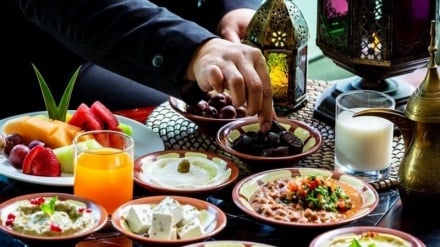
At the time of Iftar (breaking the fast), most of the Iranians and Muslims across the world begin their Iftar with dates and warm water. It is also customary to drink tea. Other foods that are common at the table of Iftar include: soup, broth, Sholeh Zard (special pudding), cheese and fresh vegetables. There are various kinds of bread in different regions, too. Giving Iftar is one of the pleasant customs among Iranians and other Muslims.
It means that some people prepare food and invite relatives or friends to their homes for Iftar. In many cities, also, some organizations or NGOs prepare Iftar for the people who are on the way and cannot get home due to traffic. This Iftar usually contains simple items and for the past years it has been spread across cities due to the recommendation of the Leader of the Islamic Revolution to have simple Iftar in a bid to promote simple lifestyle and avoid luxuries and extravagance.
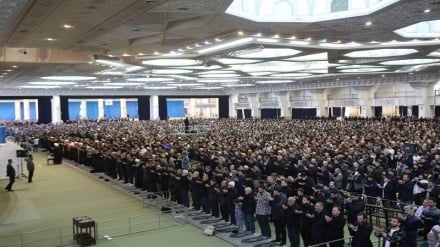
Since the month of Ramazan is the month of revelation of Qur’an and recitation of this noble book is highly recommended by the Prophet and his infallible successors, there are many Qur’anic gatherings in all cities and villages. Thus, people from all walks of life gather at mosques and husseiniyehs to recite the Qur’an. This is done either in daytime or at nights. It is interesting that some people who are weak in recitation of the Qur’an attend these classes and learn how to read the Qur’an correctly.
People in some regions like Hamedan believe that they have to know of the state of their relatives, especially poor relatives and try to cater to their needs. Thus, Sele-ye Rahem (getting informed about the relatives and trying to solve their problems) is observed in this month. As a matter of fact, this is highly recommended in Islam and those who give up this deed are warned against its consequences both in this world and hereafter.
RM/SS
Tags