Let's Know Islam (213)
Nov 13, 2018 05:59 UTC
Welcome to this week's episode of the series Let's Know Islam. Today, we continue to discuss the topic of Day of Resurrection, with the confessions of criminals and sinners on the Day of Judgement.
As a reminder, last week it was pointed out that on the Day of Judgement, some individuals become regretful about their misdeeds in the material world. The followers of corrupt and rebellious leaders; those who deny the prophet hood of the Prophet of Islam, Mohammad (Blessings of God upon him and his progeny); criminals and sinners; and those who have accumulated wealth illegitimately, are among the regretful individuals on the Day of Resurrection.
On the Day of Resurrection, realities are revealed and unveiled. The plaintiffs and witnesses attend the divine court of justice. At that point in time, criminals and sinners are extremely regretful, and have no option other than admitting to their sins and wrongdoings.
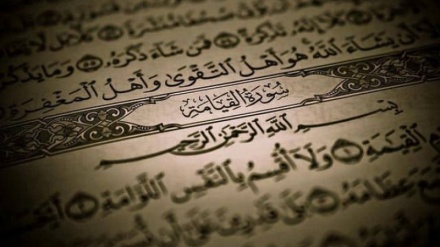
A number of sinners' confessions are mentioned in the ayahs of Holy Quran.
For instance, the 105th to 107th ayahs of Surat al-Mu'minun in Holy Quran note: "Was it not that My signs were recited to you but you would deny them?' They will say, 'Our Lord! Our wretchedness overcame us, and we were an astray lot. Our Lord! Bring us out of this! Then, if we revert, we will indeed be wrongdoers.'
Maybe, with their confessions, sinners intended to draw God's forgiveness. So they plead to God to take them out of fire, and to return them to the material world; so that they would carry out good deeds. They say that then if they revert, they will indeed be wrongdoers. At that phase, sinners seemingly do not know that they are at a point of no return. Although confession to one's sins in the material world is the best possible means for acceptance of one's repentance and one's forgiveness by God Almighty; these confessions in Hereafter are only a sign of mankind's regrets and are no longer effective. Hence, sinners face God's negative response in Hereafter.
The 9th ayah of Surat al-Mulk in Holy Quran, refers to another example of sinners' confessions on the Day of Judgement, noting: They will say, 'Yes, a warner did come to us, but we impugned him and said, 'Allah did not send down anything; you are only in great error.'
In the 10th ayah of Surat al-Mulk in Holy Quran, sinners admit to their sins, and point out the root cause of their misery. This ayah states: And they will say, 'Had we listened or applied reason, we would not have been among inmates of the Blaze.'
These ayahs pinpoint the root cause of the misery of hellish and damned individuals. Those, who turned a blind eye to the divine path and the messengers of God in the material world, admit to not listening to righteous remarks, and not applying reason, before the divine court of justice on the Day of Judgement.
Meanwhile, the 12th ayah of Surat Al-Hadid in Holy Quran refers to the Faithful on the Day of Judgement, noting: The day you will see the faithful, men and women, with their light moving swiftly before them and on their right, and greeted with the words: 'There is good news for you today! Gardens with streams running in them, to remain in them forever. That is the great success.'
On the Day of Judgement, the beliefs and actions of individuals are visualized. Faith in God which is the source of guidance, is visualized in the form of light, guiding the Faithful toward eternal Heaven.
Meanwhile, hypocrites who are mired in darkness seek light from the Faithful at that point in time.
The 13th ayah of Surat al-Hadid notes: The day the hypocrites, men and women, will say to the faithful, 'Please let up on us, that we may glean something from your light!' They will be told: 'Go back and grope for light!' Then there will be set up between them a wall with a gate, with mercy on its interior and punishment toward its exterior.
MR/MG
Tags