-

Citizens at risk as anti-Asian racism surges in US
Apr 02, 2020 11:00Since the outbreak of Covid-19, the virus of racism against ethnic Chinese and other Asians has been spreading across the US, the UK, Australia, Canada, France and elsewhere. In the United States, anti-Asian hate crimes have surged so much that during the March 27 phone call between US President Donald Trump and Xi Jinping, the Chinese president emphasized his hope that the US would protect the health and lives of the many Chinese international students in the country.
-
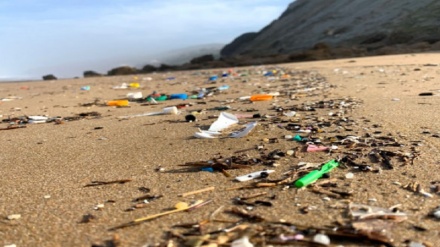
Scientists gather to study risk from microplastic pollution
Feb 27, 2020 11:05Tiny bits of broken-down plastic smaller than a fraction of a grain of rice are turning up everywhere in oceans, from the water to the guts of fishes and the abdominal of sea otters and giant killer whales. Yet little is known about the effects of these “microplastics”— on sea creatures or humans.
-

Permafrost is already thawing. Will it tip the scales in the climate crisis?
Feb 24, 2020 12:16Across vast swaths of the northern hemisphere’s higher reaches, frozen ground holds billions of tonnes of carbon. As global temperatures rise, this “permafrost” land is at increasing risk of thawing out, potentially releasing its long-held carbon into the atmosphere.
-

Exploring why mindfulness meditation has positive mental health outcomes
Feb 21, 2020 07:01Researchers suggest that consistently practicing mindfulness meditation encourages self-compassion, helping people to find greater meaning in their life, but also reducing the tendency to avoid or escape from unpleasant thoughts or emotions that cause pain, suffering or discomfort. Combined, these three factors could lead to improvements in wellbeing and mental health.
-

Struggling to quit sugar? You might not be sleeping enough
Feb 19, 2020 07:38Levels of insomnia can influence the hippocampus, the region of your brain that regulates food intake. If intake of sugary and fatty foods leads to abnormal activity of the hippocampus, it might be harder to avoid cravings for unhealthy foods. The researchers said another potential explanation for the connection between poor sleep and poor dietary habits, is that consuming too much food can cause gastrointestinal discomfort, which can make it harder to fall or remain asleep.
-

Predicting autism risk may begin with a drop of blood
Feb 16, 2020 08:53Principal Investigator Robert Naviaux, professor of medicine and pathology at UC San Diego School of Medicine said “We know from the history of certain genetic diseases, such as PKU, that if children can be identified before the first symptoms have appeared, then the disease can be prevented, even though the children have the DNA mutations,” adding, “I believe that over half of autism cases may be preventable if only we had a way to identify the children at risk before the first symptoms appear.
-
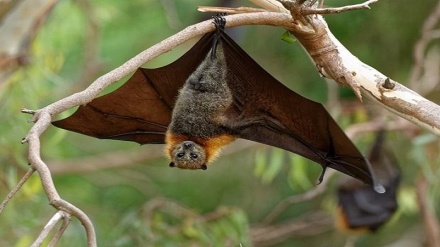
Something special about bat immunity makes them ideal viral incubators
Feb 16, 2020 08:24Researchers say that rapidly replicating viruses that have evolved within bats will probably cause enhanced virulence if they jump to subsequent hosts, including humans, with immune systems that diverge from those unique to bats.
-

Could ‘young’ blood stop us getting old?
Feb 06, 2020 09:55A clutch of scientific startups are trying to discover the secrets of parabiosis and use them to tackle age-related disease. By identifying factors in plasma that change with age, they aim to create therapies that either supplement what’s beneficial in young blood or to inhibit what’s detrimental in old. One is even beginning to report early clinical trial results.
-
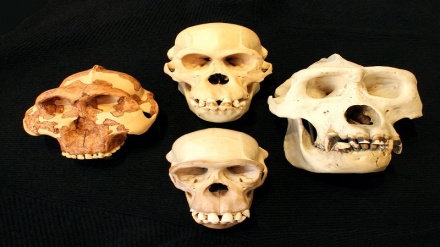
How smart were our ancestors? Answer isn’t in brain size, but blood flow
Feb 05, 2020 11:03Researchers have often assumed increases in intelligence in human ancestors (hominins) occurred as brains grew larger. This is not an unreasonable assumption; for living primates, the number of nerve cells in the brain is almost proportional to the brain’s volume. Other studies of mammals in general indicate the brain’s metabolic rate — how much energy it needs to run — is nearly proportional to its size.
-

Personalized diets may be the future of nutrition, but the science isn’t all there yet
Feb 03, 2020 13:13Nutrition recommendations have focused on properties of food, debating whether focusing on calorie counts, carbohydrates, fats or proteins might be more important. But more studies are showing that people’s bodies can react very differently to the same foods, and standardized nutrition advice doesn’t fit everybody.