‘Russia no threat’: China to receive 2 million barrels of Iran oil
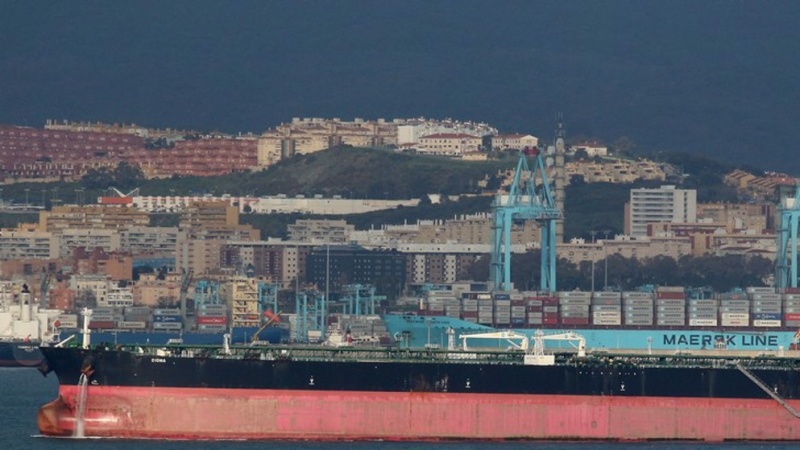
A very large Iranian crude carrier is set to discharge 2 million barrels into an oil terminal in China this week after Western media reports claimed that Beijing might be replacing Iran’s barrels with cheaper Russian shipments.
The carrier Diona, owned by the National Iranian Tanker Company (NITC), will arrive in Zhanjiang of Guangdong province, where the cargo will be pumped into a reserve base in the southern port, Reuters reported, citing tanker tracker specialist Vortexa Analytics.
“This would be the third Iranian oil cargo destined for government stockpile following two similar-sized shipments in December and January,” the news agency said.
Chinese customs, due to release detailed commodities import data for May on June 20, is likely to report the shipment, it added.
China officially reported the first imports of Iranian crude oil in a year in January. However, the country has been buying large amount of Iranian oil over the past two years despite ongoing sanctions by the United States government.
The shipments are on the rise. Iran is an integral part of China’s Belt and Road Initiative, a trillion-dollar infrastructure investment program across Asia, Europe, and Africa to link the economies of those continents.
The Asian powerhouse has spent billions of dollars on its relationship with Iran and is positioning itself to spend billions more. This relationship is for the long term, covering the security, defense, and energy sectors.
The NITC recently announced that it will construct new crude tankers while it sends about 24 aging ships to be repaired in a bid to return to the global market.
Iran has one of the largest tanker fleets globally, with an approximate total deadweight of 15.5 million tonnes.
In the wake of the Russian war with Ukraine and the need for more global oil supply, there is rising appetite for Iranian oil.
China is buying more oil now than before the sanctions imposed on Iran in 2018.
India, the second largest client of Iran’s crude oil before the sanctions, is also prepping its refineries for imports. The Indian government is said to have created a contractual template to swiftly reenter negotiations.
This is also the trend with Iran’s other major Asian customers, such as South Korea, which was the largest buyer of Iran’s condensate before the sanctions.
On Wednesday, Iran’s Minister of Petroleum Javad Owji stressed that Russia is no threat to Iran’s oil sales.
SS