Persepolis: Masterpiece of Iranian engineering, architecture in Fars
-
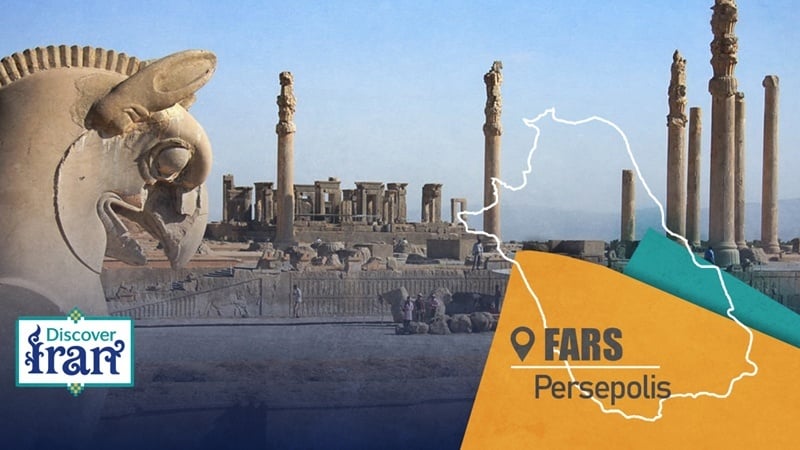
Persepolis: Masterpiece of Iranian engineering, architecture in Fars
Pars Today – Built by Darius the Great around 518 BCE, Persepolis was not merely a city but a grand and ceremonial capital.
The unparalleled significance and quality of the site built by Darius the Great, known in its heyday as “Parseh,” place it among the world’s greatest archaeological sites. According to Pars Today, citing Press TV, the expansive platform of Parseh—with its grand staircases, massive gates, and towering columned halls—continues to convey the splendor of the Achaemenid Empire, exactly as Darius had envisioned.
Engineering and architectural marvels of Persepolis
The foundation of Persepolis itself was a breathtaking feat of engineering—a deliberate effort to shape the natural landscape in order to realize a grand imperial vision. Constructing the massive 125,000-square-meter platform required leveling rocky outcrops, filling depressions with soil and rubble, and building retaining walls from enormous, precisely carved stones that rose up to 12 meters above the ground.
This foundation was neither accidental nor haphazard; it was executed according to a precise plan and equipped with an advanced system of underground channels, drains, and deep wells designed to manage rainwater and meet the complex’s water needs—a system that continues to function effectively to this day.
By carefully designing lighter ceilings and using wooden beams, the architects were able to create spacious, open, and well-lit areas with a minimal number of slender, impressive columns. Some of these columns measured only 1.6 meters in diameter yet soared to nearly 20 meters in height, leaving visitors in awe of their grandeur.
Stone chronicles of an empire: Art and symbolism in Persepolis
Beyond its architectural grandeur, Persepolis was designed as a vast stone canvas; its walls and staircases are covered with reliefs that convey the empire’s ideology and stability through a universal visual language.
The most magnificent of these stone narratives adorn the double staircases of the Apadana Palace, where the building’s façade opens onto a breathtaking vision of the empire’s harmonious order.
On one side of the staircase, three horizontal rows of the empire’s military and noble elites are depicted: precise, orderly lines of Persian and Median soldiers, staff-bearers, and court dignitaries, many shown shaking hands or gently touching each other’s shoulders in calm and joyful gestures.
On the other side, a colorful caravan of twenty-three tribute-bearing delegations from across the empire is portrayed, each carefully detailed in their distinctive national attire with unique gifts.
A lasting global legacy: The significance of Persepolis in human history
Persepolis holds an unparalleled and profound place in world heritage, recognized by UNESCO as a unique testament to one of the oldest human civilizations.
The site remains authentic and intact; its location, structure, and materials are original, and restorations have employed traditional techniques without allowing modern interventions to compromise the integrity of the ancient monuments.
All the key elements conveying the global value of this heritage site are contained within its protected area—from the Apadana and the Royal Treasury to the royal tombs carved into the surrounding mountains.
Ongoing research at Persepolis, guided by a management program and supported by national and international expertise, plays a vital role in monitoring pollution, preventing deterioration, and ensuring the preservation of this unparalleled link to humanity’s shared past.
Persepolis is both an Iranian treasure and a global symbol—a magnificent testament to a pivotal moment in human history, when the empire chose to inscribe its legacy in stone and create a poetic architecture whose “verses” still speak of power, unity, and artistic grandeur.