Natural wonders of Hormozgan Province, Iran: From red soil to blue seas and green forests
-
Natural wonders of Hormozgan Province
Pars Today – With its remarkable natural diversity, Hormozgan Province, is considered one of the most important nature-based tourism destinations in Iran, spanning deserts, seas, and mangrove forests.
The province features a unique combination of landscapes, from dry deserts and salt plains to mangrove forests, coral reefs, and colorful soils. This coexistence of varied natural elements presents a vivid picture of environmental resilience under harsh climatic conditions while highlighting the region’s significant potential for sustainable and nature-oriented tourism development.
Dry deserts: Rugged and inspiring landscapes
Large areas of the province’s inland regions and some of its islands have a dry, low-rainfall climate. Vast sand dunes, rocky plains, and open horizons create a distinctive landscape that appears harsh at first glance but offers striking visual beauty. The deep silence, intense sunlight, and endless expanses make these desert areas suitable for activities such as nature photography, stargazing, and adventure tourism.
In addition to facing challenging environmental conditions, visitors to these areas can experience activities such as camel riding, off-road driving, and open-air camping. One of the most distinctive features of these landscapes is the direct contrast between desert and sea, a phenomenon clearly visible in places such as Qeshm Island and Hormuz Island.
In these regions—particularly around Chahkooh Valley and the western plains of Qeshm Island—dry hills directly meet the waters of the Persian Gulf, creating a rare and breathtaking natural panorama in Hormozgan Province.
Salt plains: An otherworldly natural landscape
Salt plains are another prominent natural feature of Hormozgan Province, scattered across coastal and island areas of the region. These plains were formed through the evaporation of seawater under dry climatic conditions, and their color and texture change during the day as the angle of sunlight shifts. Reflection of light from the white surface creates surreal and dreamlike landscapes that attract photographers, artists, and researchers.
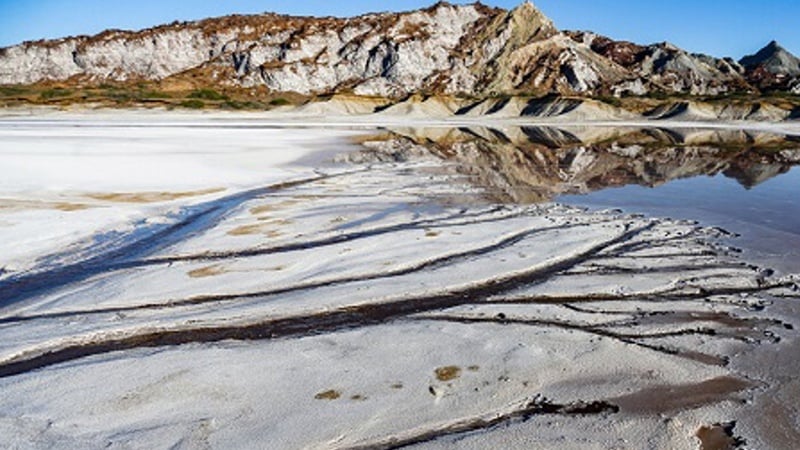
Beyond their visual value, these areas are also important from educational and scientific perspectives, as they provide opportunities to study geological and environmental processes. Adventure tourists can also experience the unique tranquility of these environments through walking or cycling across the salt deserts.
Examples of these salt plains can be found in the central parts of Qeshm Island, coastal areas around Bandar Abbas, and parts of Minab County.
Mangrove forests: Sensitive and valuable ecosystems
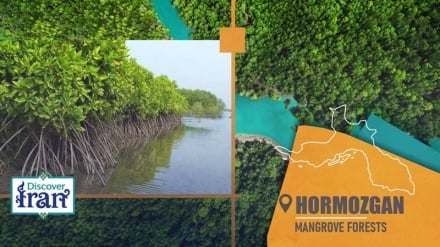
Mangrove forests, known locally as Hara Forests, are among the most important natural ecosystems in Hormozgan Province. These forests are mainly located along the coastal areas surrounding Qeshm Island, forming a transition zone between land and sea.
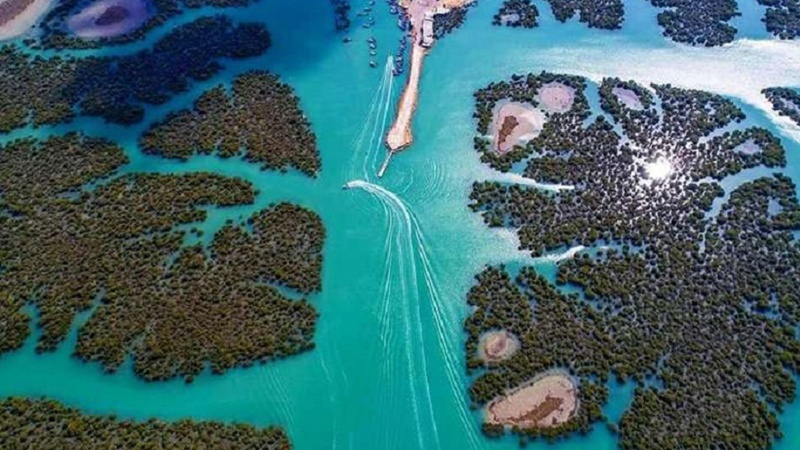
The complex root structure of mangrove trees provides a suitable habitat for various animal species, including migratory birds and aquatic wildlife. Visits to these forests are possible through guided boat tours, allowing tourists to learn about the unique characteristics of this ecosystem and the plants’ adaptation to saline environments.
Educational programs for students, researchers, and nature enthusiasts play an important role in raising public awareness about the necessity of protecting these sensitive ecosystems. The mangrove forests in the areas between Laft and Khamir are among the most significant ecotourism destinations in the province.
Coral reefs: Underwater treasures of Hormozgan Province
Coral reefs in Hormozgan Province, particularly in the waters of the Persian Gulf, are among the region’s most important marine habitats. These reefs host a wide variety of fish, invertebrates, and marine plants, playing a vital role in maintaining ecological balance.
Despite their high environmental importance, these ecosystems are extremely sensitive and vulnerable to disturbance. Responsible diving and snorkeling programs allow visitors to explore these underwater habitats without harming the environment.
In addition to their tourism value, coral reefs are also scientifically significant, providing important data on climate change and environmental conditions. These reefs can be observed around islands such as Kish Island, Qeshm Island, Lavan Island, and Hengam Island, making them major marine tourism attractions in the province.
Colorful soils: A unique expression of geological diversity
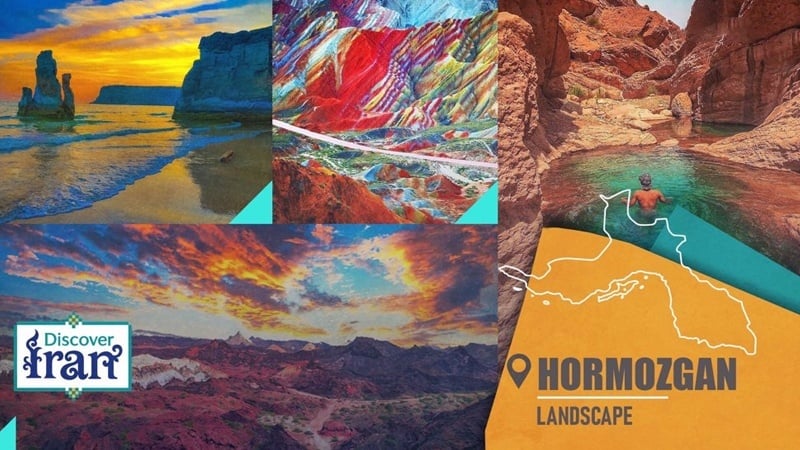
The colorful soils of Hormuz Island, especially the famous red soil, are among the most remarkable natural features of Hormozgan Province. Formed over thousands of years, these soils have not only been used in traditional and industrial applications but have also created unique and striking landscapes.
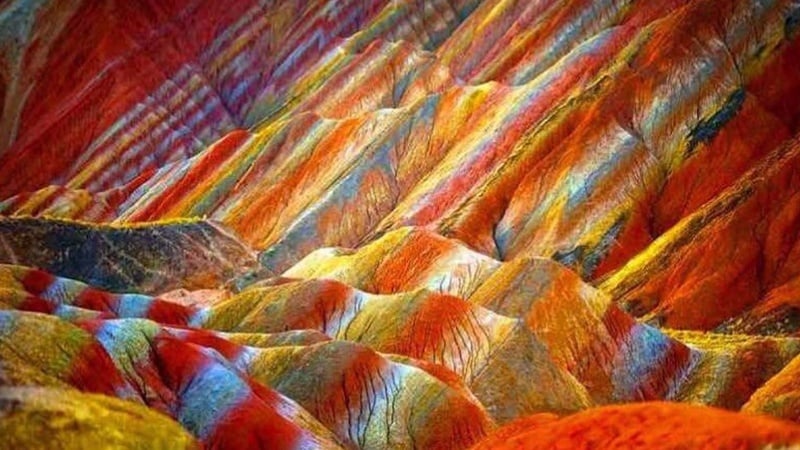
The wide color spectrum of these soils—including red, yellow, and orange—contrasts beautifully with the blue sea, producing extraordinary visual scenery. Areas such as Rainbow Valley (Hormuz Island) and Red Beach (Hormuz Island) are among the main locations to observe this natural phenomenon.
In addition to their tourism appeal, these landscapes are scientifically important and attract geologists and researchers. They have also inspired artists and photographers, contributing to the growth of cultural tourism in the region.
Broad potential for sustainable tourism
The natural diversity of Hormozgan has made it one of the most important nature-based tourism destinations in Iran. Activities such as birdwatching in the Hara Forests, visiting salt deserts, diving in coral reef areas of the Persian Gulf, and walking across colorful soil landscapes provide a wide range of natural experiences for tourists.
In recent years, the development of eco-lodges, guided tour programs, and increased local community participation have played an important role in expanding sustainable tourism in the province. This trend has not only raised public awareness about environmental protection but also created sustainable economic opportunities for local residents while helping preserve the region’s sensitive ecosystems.
With these diverse capabilities, Hormozgan Province stands as a prominent example of the coexistence of nature, tourism, and sustainable development in southern Iran.