Lush and artistic Iranian gardens amid arid climate of South Khorasan
-
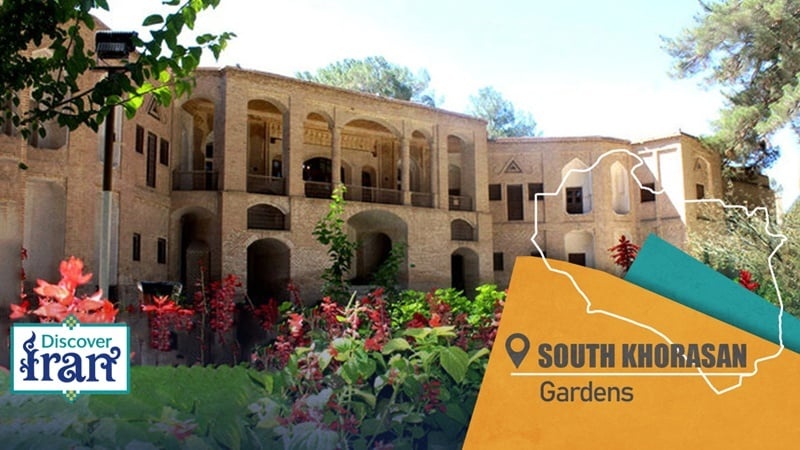
Lush and artistic Iranian gardens amid arid climate of South Khorasan
Pars Today – In the heart of South Khorasan’s arid climate, Iranian gardens, inspired by paradise and precise engineering, have created small, verdant havens.
Gardens in South Khorasan, designed with inspiration from the concept of paradise, have created small, self-sustaining microclimates through intelligent engineering — cool, fragrant spaces in harmony with the landscape that serve as pleasant refuges from the desert’s heat and dryness.
According to Pars Today, citing Press TV, gardens such as Rahimabad and Shokatabad were not merely private retreats; they also functioned as sophisticated centers for managing affairs and social life. Their architectural and spatial design allowed them to host ceremonies, entertain guests, and separate public and private life within their verdant confines.
The water supply system of Akbarieh Garden in Birjand is a masterpiece of hydraulic engineering: a precise combination of surface channels for visual beauty and underground canals to reduce evaporation, all carefully designed to sustain the garden in a region with an average annual rainfall of only 18.6 centimeters.
In this rugged and arid land, where the sun beats down on the plains and mountains dominate the horizon, Iranian gardens stand out not only for their beauty but also as symbols of human creativity and determination.
These lush gardens, shaped in the heart of the region’s harsh climate, are an extraordinary fusion of philosophy, art, and practical ingenuity — small paradises that have transformed Iran’s dry desert into enchanting landscapes.
South Khorasan hosts magnificent examples of this ancient architecture, each telling a story of adaptation and resilience. Akbarieh Garden in Birjand, the crown jewel of this collection, has been inscribed on the UNESCO World Heritage List due to its outstanding global significance.
Other notable gardens include Rahimabad and Shokatabad in Birjand, and Golshan Aram in Tabas. These vibrant spaces are designed according to the principles of the four-part Iranian garden (Chaharbagh), creating cool, fragrant, and harmonious microclimates in tune with nature.
These gardens have turned the concept of paradise into reality — a striking contrast to the surrounding desert and lasting symbols of a culture that communicates with nature through geometry and the flow of water.
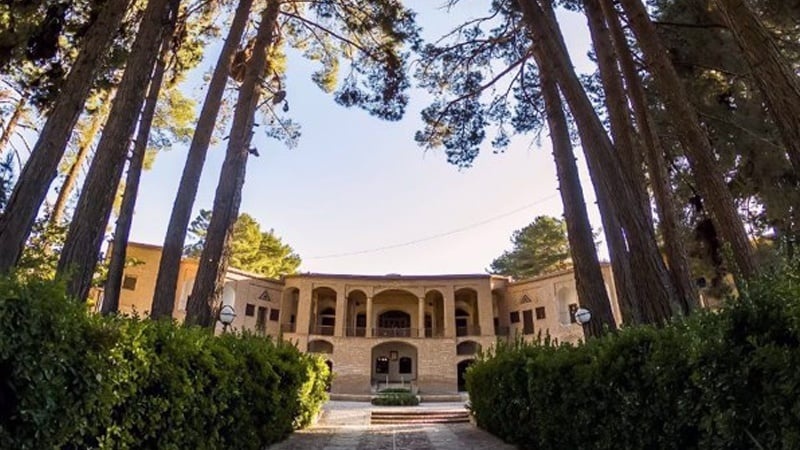
Akbarieh Garden in Birjand showcases the pinnacle of Iranian garden artistry in South Khorasan, where the Chaharbagh principles are realized with remarkable clarity and elegance.
The layout of Akbarieh Garden exemplifies geometry and symmetry, centered along a north-south axis. This central pathway, flanked by rows of tall cypress trees, conveys the garden’s order and grandeur from the very first step, going beyond a simple walkway.
The garden’s design combines towering cypresses with shorter boxwood shrubs at their base, forming layered green walls that naturally guide the eye toward the main pavilion. Each section along this axis is carefully designed to offer deliberate, tranquil vistas.
Water, a vital element in every Iranian garden, is managed in Akbarieh Garden with precision and artistry. Supplied from the garden’s qanat, water enters from the south, first filling the central pool and then flowing through a symmetrical network of channels. Some of these channels are visible, creating a soothing sound that evokes a sense of coolness, while others run underground to prevent evaporation in the arid climate.
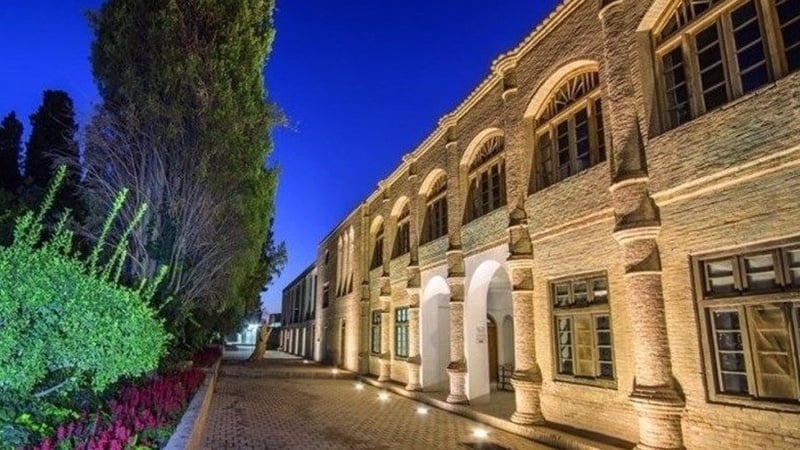
Other notable gardens of South Khorasan: Expressions of Iranian art and wisdom
While Akbarieh Garden in Birjand is recognized as a UNESCO-registered masterpiece, the tradition of Iranian garden design continues in other prominent sites across South Khorasan, each adapting the fundamental principles of Persian gardens to its unique setting and function.
Rahimabad Garden in Birjand, built by Esmaeil Khan Shokatolmolk, is a formal and magnificent example of a classical Iranian garden. Its orderly geometry conveys a sense of authority and structure; the main axis of the garden, flanked by cypress trees, directs the eye toward the pavilion. This axis is anchored by buildings at the entrance and end of the garden, reinforcing the overall spatial symmetry.
Unlike the flowing water channels of Akbariyeh Garden, water in Rahimabad Garden serves primarily a reflective purpose. The pools and semicircular basins in front of the buildings and at the garden’s center mirror the sky and surrounding architecture. This water is supplied by the garden’s historic qanat.
Shokatabad Garden in Birjand has a distinct character, emphasizing privacy and ceremonial life. Its compact design links buildings with green spaces while separating public and private areas. The southern section of the garden was reserved for the ruling family, with interior spaces designed for rituals and gatherings.
In Tabas, Golshan Garden offers a different yet equally enchanting experience. This garden resembles a natural oasis amid the desert. Its design is more organic compared to the formal gardens of Birjand, structured around two intersecting pathways that divide the space into functional sections.
Golshan Garden is adorned with tall date palms, beneath which pomegranate and sour orange trees create layered, verdant shade. The garden’s lifeblood comes from several springs, which flow through channels and fountains, ultimately supplying water to the city of Tabas.