Golestan Province: Iran’s artisan hub
-
Golestan Province: Iran’s artisan hub
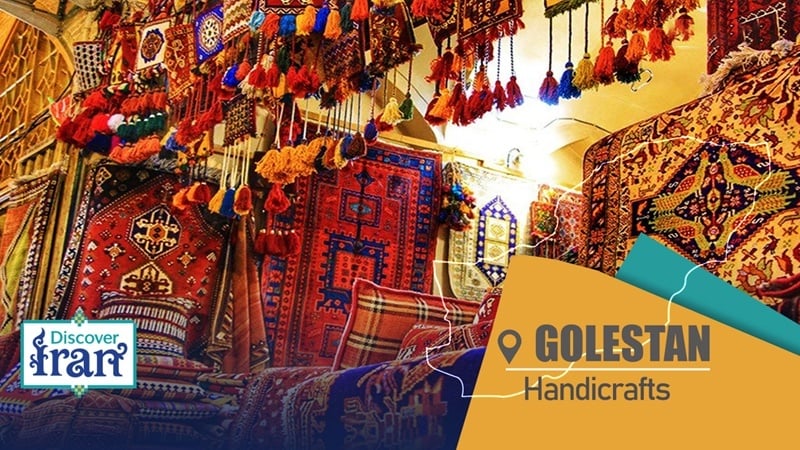
Pars Today – Iran’s Golestan Province, long known for its 7,000-year-old cultural heritage, is emerging as one of the most dynamic hubs of traditional handicrafts in the country.
Located in northeastern Iran, Golestan Province—driven largely by the skills of rural women artisans—produces carpets, textiles, jewelry, and wooden handicrafts that not only sustain local livelihoods but have also found their way into global markets, from Central Asia to Europe.
According to Pars Today, the province, home to various ethnic groups—particularly the Turkmen community—has transformed its long-standing artistic traditions into one of Iran’s most recognizable cultural brands.
Today, tourists travel to this province to explore its natural landscapes and return home with richly patterned carpets, embroidered garments, felt kilims, and handwoven textiles.
According to official data, this northern Iranian province, located in the southeastern part of the Caspian Sea, recorded more than $3.3 million in handicraft exports in the 1401–1402 Iranian fiscal year (ending in March 2024).
The exported items range from wooden artworks and stone handicrafts to kilims, carpets, embroidery, leather goods, ceramics, and handwoven fabrics.
These products are shipped to a diverse list of destinations, including Turkmenistan, Armenia, Uzbekistan, Bulgaria, Germany, the United Kingdom, Italy, Greece, and the United Arab Emirates.
This global demand reflects the province’s unique combination of authenticity, artistic precision, and cultural symbolism, which has attracted considerable attention in recent years.
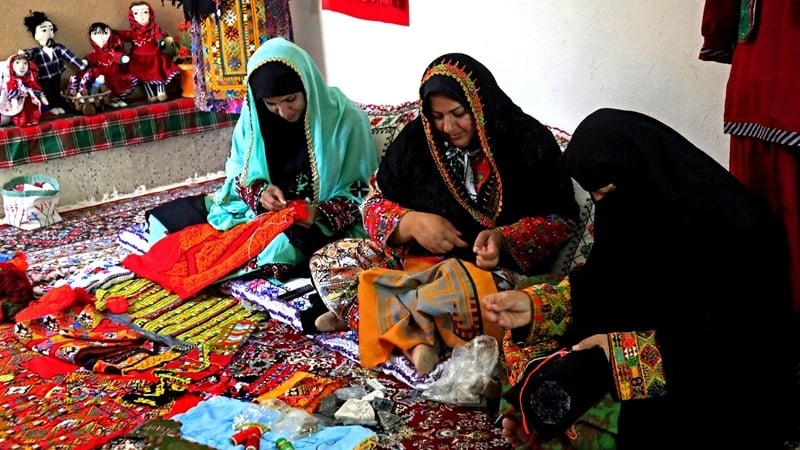
About 7,500 artisans are active in Golestan’s handicrafts sector, and the demographic composition is remarkable: 95 percent of these producers are women, with around 70 percent living in rural areas.
In the scattered villages of Gorgan, Aq Qala, Kalaleh, Gonbad-e Kavus, and beyond, handicrafts are more than just a tradition—they serve as a vital economic lifeline for local communities.
Experts believe that by strengthening educational programs, improving market access, and expanding export channels, Golestan can become one of the country’s leading handicraft hubs.
The foundations for this transformation already exist: centuries-old knowledge, skilled artisans, and a distinct cultural identity.
Golestan’s signature handicrafts
Turkmen carpets
The most famous handicraft in Golestan Province, which shares a northern border with Turkmenistan, is the Turkmen carpet—a symbol of regional pride and masterful craftsmanship. With a history dating back around 6,000 years, these carpets are renowned for their intricate patterns, such as “Gol Arsaei,” “Gol Ayeneh,” “Gol Mari,” and “Gol Joval.”
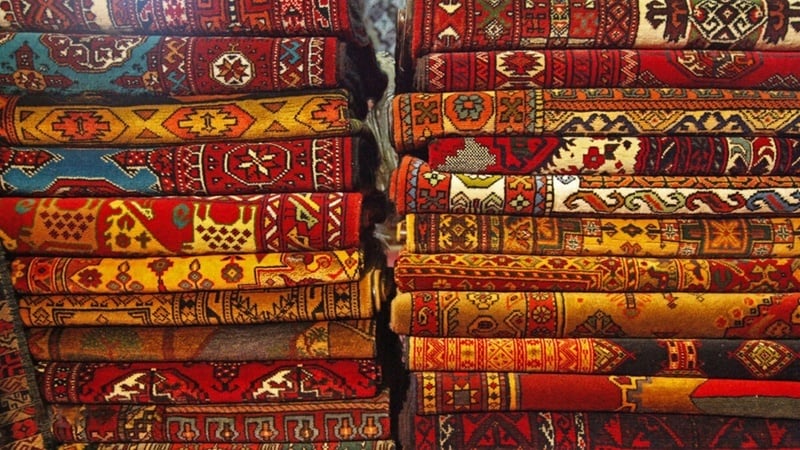
The weaving of these carpets is carried out exclusively by Turkmen women, who pass down the designs and techniques from generation to generation. Carpets woven by the Teke, Atabai, and Jafarbai tribes of the province are especially renowned for their high quality and durability and enjoy great popularity in neighboring countries.
Weaving kilim and palas
Palas, a type of flat-woven, pileless kilim, is another traditional textile with deep cultural roots. Its repeating floral patterns, particularly the iconic “Gol Aydeh” (Nine-petal flower) design, reflect important symbolic meanings within Turkmen communities. Aq Qala, Gonbad-e Kavus, and Kalaleh are the main production centers for this craft.
Jajimcheh
This woolen textile, woven by women in the village of Ziarat near Gorgan, was traditionally used as a floor covering. Today, it has become a fashionable material for making bags, cushions, and home decor, demonstrating a modern versatility rooted in tradition.
Turkmen silk shawls
One of Golestan’s most recognized cultural souvenirs is the large Turkmen silk shawl, celebrated for its vivid patterns and traditional aesthetic beauty. Woven from high-quality silk threads, these shawls are valued both locally and internationally.
Traditional embroidery
Turkmen embroidery, created by women using brightly colored threads, is used to decorate children’s hats, sleeves, collars, and women’s garments. Its geometric patterns and bold colors reflect centuries of cultural continuity.
Felt-making
Felt-making in Golestan is a distinctive, women-led handicraft. Unlike many other Iranian provinces where men dominate this craft, Turkmen women create felt rugs featuring designs such as “Gouche,” “Yellow scorpion,” “Tirana,” and “Camel’s eye.” These symbolic motifs often hold significant cultural meaning.
Silk weaving
Silk weaving, with roots dating back to the Safavid era, remains one of Golestan Province’s most authentic and profitable handicrafts. Local communities produce silkworm cocoons and transform the silk into towels, shawls, scarves, and traditional garments. These fabrics are often adorned with stripes, square patterns, and colorful decorative borders.
Turkmen jewelry
Among both domestic and international tourists, Turkmen silver jewelry, often decorated with red agate, is one of the most popular souvenirs.
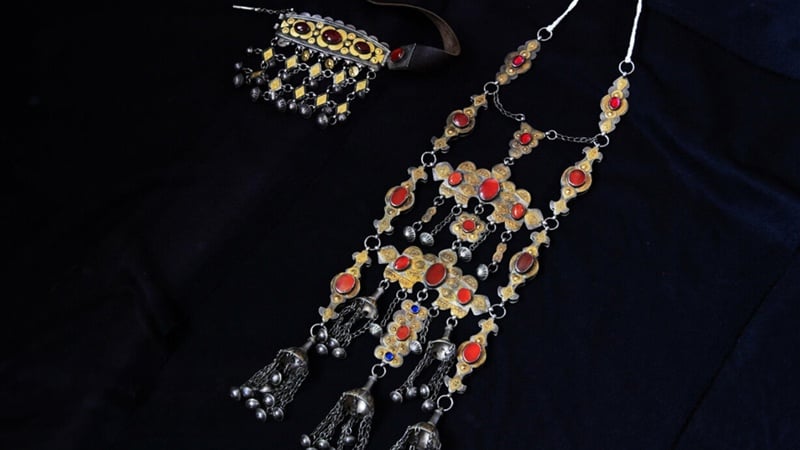
Headbands, necklaces, belts, earrings, rings, and bracelets are not merely decorative; they reflect social identity, marital status, and the longstanding traditions of the Turkmen people.
Traditional cotton textiles
Women across Golestan weave cotton fabrics used both for household needs and decorative purposes. Made from soft cotton threads and available in a wide range of colors, these textiles showcase the everyday creativity of rural artisans.
Basket weaving
Basket weaving, also known as Koub weaving, is another important handicraft, particularly in the villages of Chaqar, Mehtarkalateh, and Salikandeh. Although this craft was once on the verge of decline, local efforts have revived it, and it has been officially registered as part of Iran’s intangible cultural heritage.