Iran-Eurasia trade volume grows 22%
-
Iran-Eurasia trade volume grows 22%
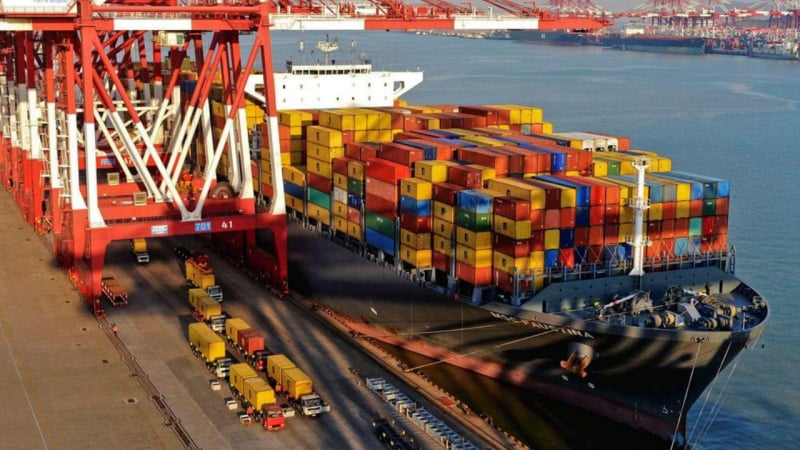
Pars Today – The director of the Trade Agreements and International Organizations Office at Iran’s Trade Promotion Organization said that despite numerous challenges and the impact of regional tensions, the volume of trade between Iran and the Eurasian Economic Union reached $7.3 billion last year (1404 in the Iranian calendar), marking a 22-percent increase.
According to Pars Today, citing IRIB, Elham Haji Karimi made the remarks on Wednesday at the first specialized meeting between the Islamic Republic of Iran and the Eurasian Economic Union, focused on developing industrial and agro-industrial cooperation.
Pointing to the significant share of agricultural products in Iran’s exports, she said developing exports of industrial goods and high-value-added products is a national priority. She identified household appliances, textiles and clothing, automobiles and auto parts, machinery, pharmaceuticals, and medical equipment as areas with strong potential for increasing exports to Eurasian markets.
At the meeting, Iranian and Eurasian Economic Union representatives discussed opportunities for joint investment, the development of value chains, and expanded cooperation between producers on both sides. Energy, chemical and petrochemical industries, mining, machinery, steel, transportation, and advanced industries were identified as areas with significant potential for cooperation.
The participants also emphasized shifting from simply trading goods toward joint production, technology transfer, and participation in regional value chains. Several technical and non-tariff barriers—including technical standards, halal certification, and laboratory and veterinary requirements—were also examined.