Iraq, Russia, Iran, Syria military chiefs discuss security, intel cooperation

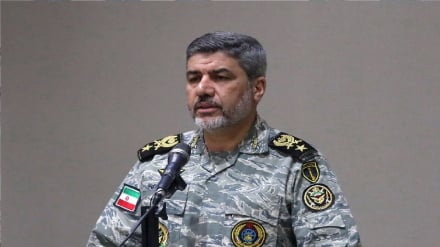
Senior military commanders from Iraq, Russia, Iran and Syria have met in Baghdad and exchanged views on security and intelligence cooperation.
The commanders from the four countries, which have joint operation rooms to coordinate the fight against the Daesh terror group, attended the conference on Saturday.
The Iraqi Defense Ministry said it had received delegations led by deputy chiefs of staff to "strengthen cooperation and coordination in terms of security and intelligence among these countries."
Lieutenant General Salim Harba, head of the Syrian delegation to the conference, said that the four countries are in agreement over tackling terrorism, which is a threat to humanity.
He also warned that US proxies were planning a new chemical attack in Syria to pin the blame on Damascus and justify a new aggression against the Arab country.
At the request of Damascus, Iran has been offering advisory military assistance to the Syrian government fighting an all-out militancy.
Russia, too, has military advisers in the Arab country, besides carrying out aerial bombardments on behalf of the Syrian government.
The support by Tehran and Moscow has enabled the Syrian army to speed up its gains on various fronts against Takfiri terrorists.
On Saturday, a study warned that extremist groups such as Daesh may re-emerge in Iraq if the country fails to tackle a critical drought and other climate-related issues.
The study, conducted by the Expert Working Group on Climate-Related Security Risks, was presented to the UN Security Council.
“The combination of its hydrological limitations, increasing temperatures and extreme weather events puts pressure on basic resources and undermines livelihood security for Iraq’s population,” the report said.
"Failure to monitor and manage these climate-related risks will increase the risk of Daesh and post-Daesh terrorist groups gaining support and regaining strength within resource-constrained communities."
SS