Israel Hayom: War against Iran failed; Tel Aviv forced to accept reality
-
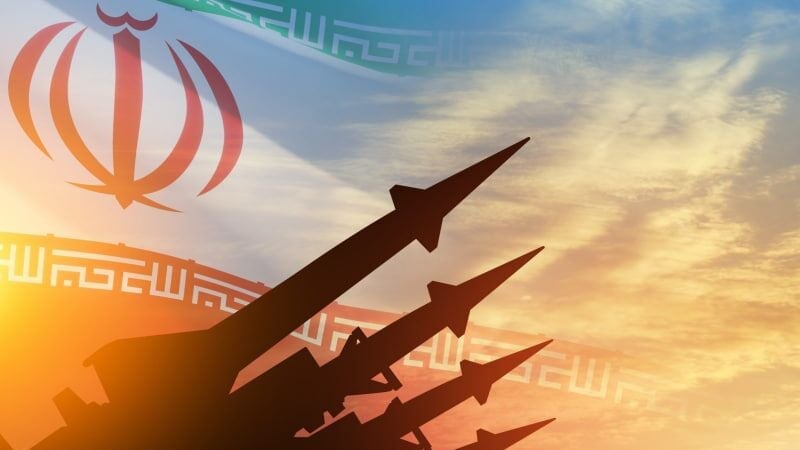
Israel Hayom: War against Iran failed
Pars Today – A senior researcher at Israel’s Institute for National Security Studies has acknowledged the failure of the U.S. and Israeli war against Iran, stressing that Tel Aviv not only failed to achieve its goals of weakening the country, but is now compelled to accept a new reality in which Tehran has emerged in a stronger position and Israel’s influence over Washington’s decision-making has diminished.
According to Pars Today, citing IRNA, Danny Citrinowicz, a senior researcher at the Institute for National Security Studies, wrote in an analytical article for Israel Hayom that an examination of the positions of U.S. President Donald Trump and Israeli prime minister Benjamin Netanyahu, as well as the process that led to an understanding between Tehran and Washington, shows that the operation known as “Rising Lions” against Iran failed and did not achieve its objectives.
He emphasized that the war not only failed to weaken or destabilize Iran, but ultimately strengthened Tehran’s economic, political, and security standing.
The Israeli analyst pointed to Washington’s declining appetite for a new military confrontation with Iran, arguing that the failure of the campaign above all reflects the collapse of Israel’s strategy toward Iran — a strategy based on sustained pressure and close coordination with the United States to weaken the country.
Citrinowicz further wrote that this setback could have significant implications for Israel’s future ability to shape U.S. policy on Iran or influence any potential agreement between Tehran and Washington.
Referring to Iran’s gains in the upcoming negotiations, he added that Tehran could secure substantial economic benefits in exchange for limited concessions, including maintaining the normal flow of shipping through the Strait of Hormuz, without relinquishing its strategic assets such as its missile capabilities, support for regional allies, or its right to enrich uranium.
The Israeli researcher also highlighted the approach of the Arab states of the Persian Gulf, noting that contrary to Tel Aviv’s expectations, these countries have not distanced themselves from Iran. Instead, they are seeking to preserve and even expand their ties with Tehran. As a result, prospects for expanding the so-called Abraham Accords and further normalization with Israel have faced serious challenges.
He acknowledged that Israel is now more isolated than ever on the issue of Iran and remains the only actor still insisting on the effectiveness of a military option to bring about fundamental change in the Islamic Republic.
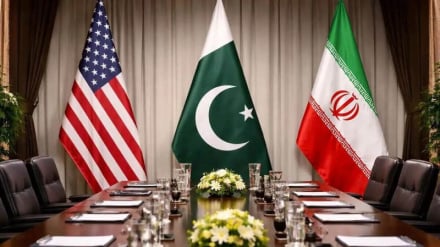
Citrinowicz further noted that if an agreement between Tehran and Washington is finalized, Israel will face a strategic reality it cannot alter. He argued that the U.S. administration has little appetite for returning to military confrontation with Iran, a position that enjoys considerable support across the American political establishment.
He stressed that any Israeli military action perceived by Washington as an attempt to undermine the agreement process would likely trigger a strong response from the U.S. government.
In conclusion, the analyst argued that the current developments mark not only the end of a military campaign but also a strategic turning point that has exposed the limits of Israeli power and will force Tel Aviv to reassess many of the assumptions and policies that have shaped its approach toward the Islamic Republic of Iran over the past several decades.