Sri Lanka officials face scrutiny over potential security failure after bombings
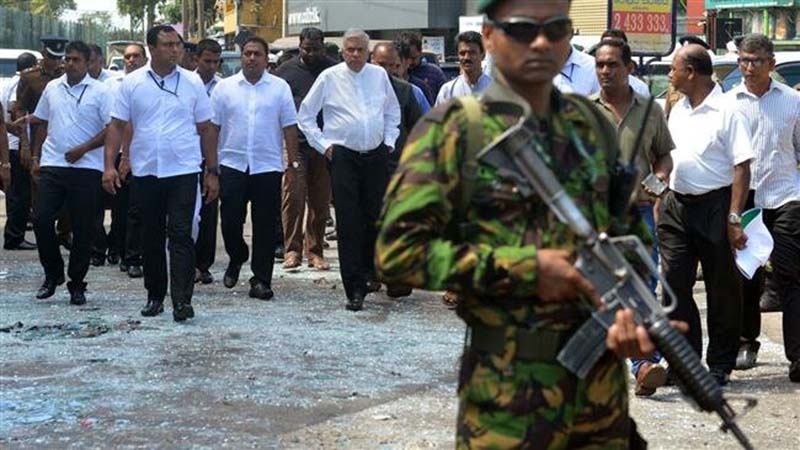
As Sri Lankans are mourning the death of 310 people in a string of recent bombings, officials have come under scrutiny over accusations that they failed to prevent the carnage despite security warnings that they had reportedly received several days ahead of the attacks.
The country was shocked on Easter Sunday after eight apparently coordinated blasts hit churches and luxury hotels in the capital, Colombo, and the cities of Negombo and Batticaloa.
On Tuesday, the nation began a day of national mourning with three minutes of silence to honor the victims. The silence began at precisely 8:30 a.m. (0300GMT), the moment when the first of eight bombs detonated two days earlier.
“It is imperative that we remain unified as Sri Lankans in the face of this unspeakable tragedy,” Prime Minister Ranil Wickremesinghe said in a tweet.
The Sri Lankan prime minister said they were observing a day to “mourn the senseless loss of innocent lives.”
The government also lowered national flags to half mast on its buildings.
‘Colossal failure of intelligence’
Meanwhile, police in Sri Lanka had reportedly received a series of warnings about possible attacks on churches and tourist spots this month.
According to an intelligence report seen by Reuters, the warnings had been made by a foreign intelligence agency.
The document said the Defense Ministry had informed the Inspector General of Police of an alleged plot, and named a small group, known as the Nations Thawahid Jaman (NTJ) as the suspect.
The group, which has no history of large-scale attacks, was named by a government spokesman as the main suspect on Monday.
The document said security agencies had been watching the group and had notified police about it.
Neither the NTJ nor any other group has so far claimed responsibility for the bombings.
SS