Reuters: Iran’s precision strikes disrupted U.S. war plans
-
Iran’s precision strikes disrupted U.S. war plans
Pars Today - Reuters has reported that Iran’s precision strikes knocked out U.S.-linked infrastructure in Gulf countries and disrupted Washington’s war plans.
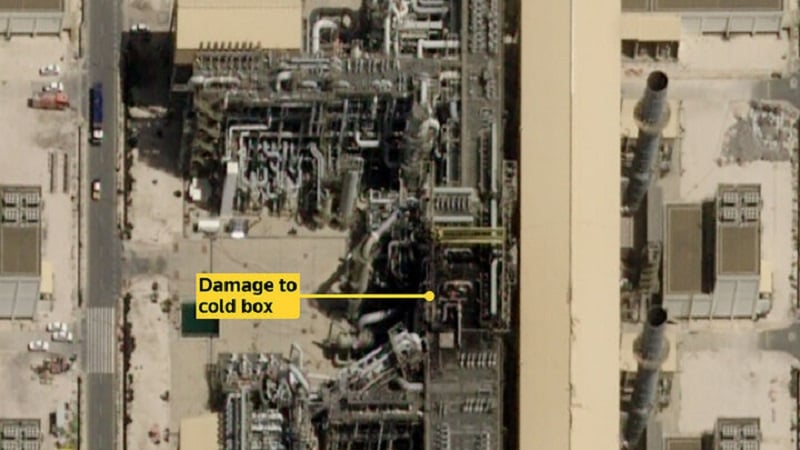
According to Pars Today, citing IRIB News Agency, Reuters said in an investigative report that Iran and its allied forces had carried out at least 135 drone and missile attacks on 84 key U.S. infrastructure sites in countries across the Persian Gulf region since the war began on February 28, 2026 (Esfand 9, 1404, in the Iranian calendar). According to the report, the attacks caused significant physical and economic damage and disrupted operations at several critical facilities.
The report said Iran and its allied forces targeted U.S. infrastructure in Saudi Arabia, the United Arab Emirates, Iraq, Qatar, Kuwait, Oman, and Bahrain.
According to the report, the targets included oil and gas facilities, airports, pipelines, and strategic equipment belonging to U.S. companies. Reuters emphasized that its investigation revealed the precision of the attacks and the consequences of damage to key equipment at major economic facilities across the region.
Economic and military consequences of the attacks
Highlighting the damage inflicted on the region’s critical infrastructure, the report assessed that targeted strikes against sensitive equipment had consequences extending beyond direct military damage, affecting economic activity and energy exports.
Reuters also described the attacks as one factor that enabled Iran to increase the economic and strategic costs of the war for the United States and Israel. According to the news agency, the vulnerability of the region’s concentrated and strategically important infrastructure also underscored the limitations of protecting these facilities against precision strikes.
Overall, Reuters’ report indicates that attacks on critical U.S.-linked economic infrastructure have become a significant dimension of the war. Beyond their military consequences, these attacks are affecting energy production and transportation, as well as the economic costs borne by regional countries and their Western allies.