HRW accuses Turkey of creating ‘climate of fear’ after coup attempt
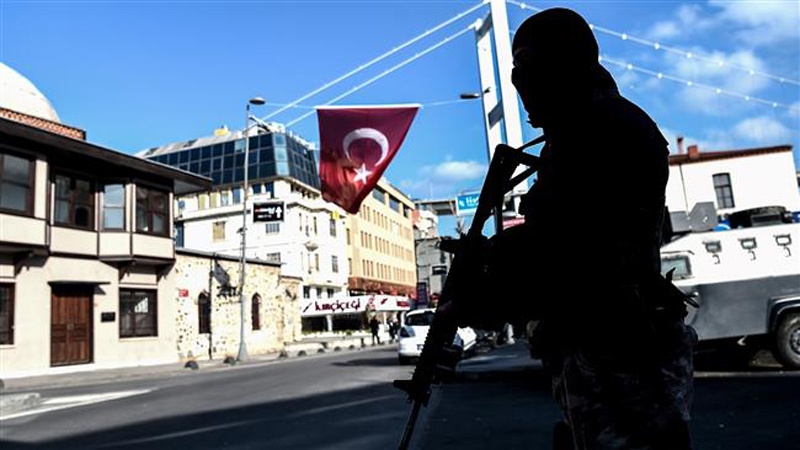
Human Rights Watch (HRW) has accused the government in Ankara of undermining academic freedom and creating a "climate of fear" with the dismissal of thousands of academics and the prosecution of hundreds more following a 2016 abortive coup to topple Turkish President Recep Tayyip Erdogan.
The New York-based rights organization said in a report published on Monday that the mass dismissals and prosecutions along with the Turkish government’s interference in academics’ work and student protests had resulted in self-censorship and curtailed academic freedom in the country.
"The authorities are interfering with student protests on campus, and prosecuting student activists. And officials are interfering with academic research on controversial topics," said Hugh Williamson, Europe and Central Asia director at HRW.
"Together these actions are creating a climate of fear and self-censorship on campus, and breaching Turkey's obligations under human rights law to respect and protect academic freedom and freedom of expression," he added.
HRW said that more than 5,800 academics had been sacked from public universities under the state of emergency since the botched putsch on July 15, 2016.
"The Turkish government's crackdown is targeting academics and damaging its universities," Williamson said, adding, "Academics and students should be free to express, teach, and research controversial and critical ideas without risking dismissal or imprisonment.”
The rights organization said the report was released after interviewing 15 academics and four students from different universities across Turkey.
SS