Rohingya still face ‘persecution’ in Myanmar: UN envoy
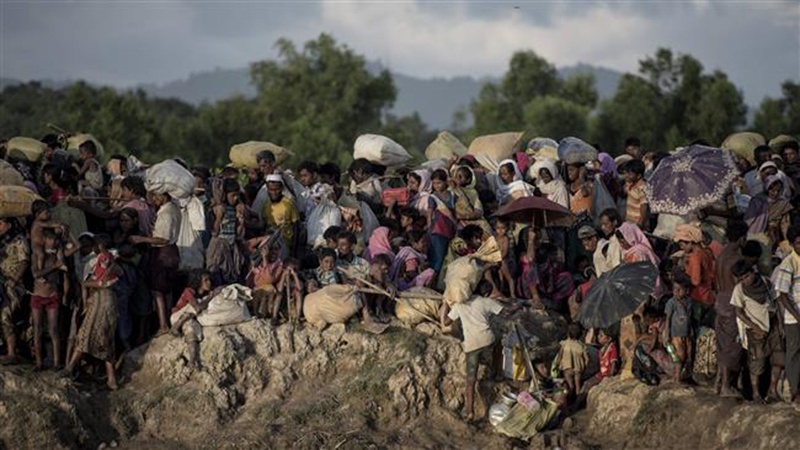
The United Nations (UN)’s special envoy to Myanmar has urged Bangladesh to drop plans for a hasty repatriation of hundreds of Rohingya Muslim refugees to their homeland, where they are still facing a “high risk of persecution.”
More than 700,000 Rohingya refugees have taken refuge in Bangladesh since last year, when Myanmar’s armed forces, backed by Buddhist extremist mobs, launched an intensified crackdown against the Muslim community in Myanmar’s Rakhine State.
Thousands of Rohingya Muslims have been killed, and those who have survived by fleeing to Bangladesh are now living in severely-overcrowded camps in southeast Bangladesh’s Cox’s Bazar district.
Myanmar and Bangladesh first reached an agreement last year to begin the repatriation of the refugees, but the process has been delayed. Officials from both countries met earlier this week and announced they would start the process with 2,000 returnees in mid-November.
UN Special Rapporteur Yanghee Lee said on Tuesday that she had not seen any evidence of the government of Myanmar creating conditions conducive to the return of the Rohingya.
She said in a statement that the government in Naypyidaw had “failed to provide guarantees they (the Rohingya) would not suffer the same persecution and horrific violence all over again.”
Lee also said that according to credible information from the refugees in Bangladesh, the Muslims “are in deep fear of their names being on the list to be repatriated, causing distress and anguish.”
Thousands of Rohingya Muslims were killed, injured, arbitrarily arrested, or raped by Myanmarese soldiers and Buddhist mobs mainly between November 2016 and August 2017.
The UN has concluded that the atrocities constitute genocide.
Myanmar, however, has blatantly denied the violence. However, massive evidence has been collected by international observers, medics, and journalists.
SS