Path Towards Enlightenment (791)
Feb 09, 2018 04:23 UTC
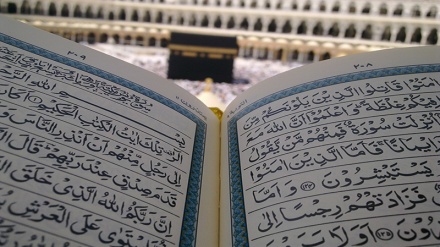
Welcome to our weekly programme "Path towards Enlightenment" in which we present you a fluent and easy-to-understand explanation of the ayahs of the holy Qur’an. We start from where we left you last Friday and here are ayahs 10 and 11 of Surah Ya Sin.
“It is the same to them whether you warn them or do not warn them, they will not have faith.”
“You can only warn someone who follows the Reminder and fears the All-Beneficent in secret; so give him the good news of forgiveness and a noble reward.”
Last week, the ayahs spoke of severe punishment for unbelievers and polytheists. The ayahs that we have recited to you now mean to say that the cause of Divine punishment is the obstinacy of the unbelievers to acknowledge the manifest truth and their refusal to see realities. First of all, they were not willing to listen to the statements of Prophet Mohammad (blessings of God upon him and his progeny). Secondly, even if they listened, they paid no attention nor reflected upon them. Therefore, God says, it makes no difference whether the Prophet warns them or not, for; they have decided not to have faith. Their hearts have turned into a stony ground into which rainwater never penetrates, and as a result no vegetation grows. In other words, hearts rusted by sins are dead organs, and unwilling to be awakened. Most of the pagan Arabs of Mecca had killed their own souls and were unwilling to believe. They used to run away even on hearing the word ‘Hereafter’. Thus, such persons have no excuse on Judgement Day. They cannot say God caught me unaware; rather, despite being provided ample time and opportunity for repentance and reform, they did not wish to rectify their wrongs, and continued to sink in passions, sins and love for worldly things
The next ayah means to say that warning affects those who accept and acknowledge the Words of God, that is, the holy Qur’an and its ayahs, which are called Reminder here, since reflection upon awakens the conscience. The Prophet of Islam is also referred to as "Reminder" in many ayahs.
Since the nature of man contains grains of guidance, God sent Prophets and scriptures to light the sparks of cognizance of truth, but for those who deliberately put locks upon their hearts, no Reminder can awaken them towards truth and guidance. It is natural that anyone who ponders upon the teachings of the Prophets and is conscious of God, both in private and public, can be guided towards truth. In turn the All-Merciful God forgives those who repent, and gives them good rewards.
From these ayahs we learn that:
- It is necessary to warn, but we should not expect that all people will respond positively, since those who are inclined to truth will accept facts and realities, while those in whose hearts there is sickness, will become more obdurate in their attitude.
- The holy Qur’an is the Book of Reminding, and the Prophet is also the Reminder, in order to awaken sleeping consciences.
- The sign of real faith in God is to fear Him and be conscious of His presence, in both private and public life, rather than in appearance and in the presence of people.
- Those who accept the messages of the Prophets are forgiven by God and rewarded with the bliss of paradise.
Now we listen to and read ayah 12 of Surah Ya Sin:
“Indeed it is We Who revive the dead and write what they have sent ahead and their effects [which they left behind], and We have figured everything in a Manifest Imam.”
Among the most important messages of the Prophets and the Heavenly Scriptures is the resurrection and reckoning of deeds. It means that after the end of mortal or physical life, every person is revived in another world and is questioned about what he/she has done. It is the power of God to revive the dead and to set the records straight by evaluating what good deeds had been sent ahead, and what beneficial things a person has left behind in the world.
In the judicial system of the world, only criminal offenses are punished and there are no rewards for those who do good or abstain from crimes and sins. On the Day of Judgment, sins do carry punishment, but the All-Merciful God forgives the misdeeds of those who had repented and done good deeds, including charities left behind or mosques, husseiniyahs and other places of public good a person builds and ensures their continuation even after his death. It means, in the Divine Court, unlike the courts of justice of the transient world, the consequences and effects of human action in the long period, lasting several centuries, are also taken into account, and thus the doer of good things is rewarded.
In continuation the ayah means to say that everything is recorded in the Eternal Tablet, or the accounts of all are with the Divinely-designated Imam, who is the Manifest Guide.
From this ayah we learn that:
- The effects of a person’s deeds, whether good or bad, continue after death and are included in his/her record sheet for evaluation of Judgment Day.
- A person is not only responsible for what he/she does but also responsible for the effects and consequences of his/her work in the family and community.
- The Divine court is not based on guesses and on the Day of Resurrection, everything is done in an accurate manner, since the All-Merciful God is the witness.
AS/ME
Tags