China, Russia see US 'bullying' as IAEA adopts anti-Iran resolution

China and Russia have rebuked the International Atomic Energy Agency for giving in to US "bullying" as the IAEA's board of governor on Friday passed a resolution critical of Iran for the first time since 2012.
The resolution, submitted by France, Britain and Germany, comes at a time when the United States is working to extend an arms embargo against Iran.
Diplomats attending the Friday meeting in Vienna were cited as saying that the resolution called on Iran to allow access to two former sites mentioned in two IAEA reports.
Iranian officials have said Tehran has responded to all outstanding questions about its nuclear activities and the IAEA has repeatedly confirmed it. The new questions, they say, have been raised based on information fabricated by the illegal Zionist entity.
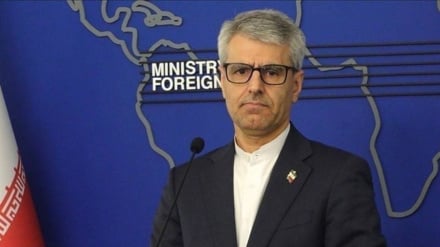
Iran's Foreign Ministry spokesman Abbas Mousavi on Monday regretted that the IAEA has chosen to ignore Tehran's long history of cooperation, warning that a new resolution "would somehow complicate Iran’s cooperation with the agency”.
"They are opening a closed case. The basis for their allegations is the information that is claimed to have been obtained through espionage by the Zionist regime and Netanyahu,” Mousavi said.
China submitted a 5-page statement to the IAEA on Thursday, saying “The root causes of this situation lie in the unilateral and bullying practices of the US.”
China's envoy Wang Qun said should the resolution pass, it could sound the death knell for the landmark 2015 nuclear agreement between Iran and world countries.
The Trump administration exited the deal known as the Joint Comprehensive Plan of Action (JCPOA) in 2018, but other signatories vowed to salvage it.
Washington is now working to extend the UN-imposed arms embargo due to expire in October under Tehran’s nuclear deal.
The European Union’s top diplomat Josep Borrell said this month that since the United States has already withdrawn from the nuclear agreement with Iran, it can’t now use its former membership of the pact to try to impose a permanent arms embargo on the Islamic Republic.
Russia's Ambassador to International Organizations in Vienna, Mikhail Ulyanov, also questioned the need for a resolution, saying the recent dispute between Iran and the IAEA should not be overdramatized.
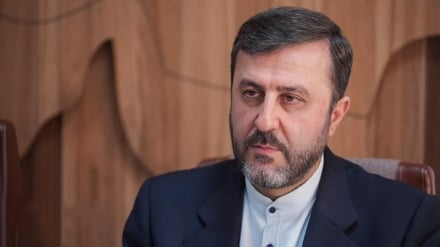
On Thursday, Iran’s permanent representative to Vienna-based International Atomic Energy Agency, Kazem Gharibabadi, said “no country will open its territory to the inspections” only based on continuous allegations provided by its own enemy.
“Possibly you may ask why Iran does not grant access to the two locations automatically. The answer is clear: as a matter of sovereignty, no country opens its territory to the inspections only based on continuous allegations provided by its own enemy, even if it is evident that the result of which will prove those allegations to be false,” the Iranian diplomat said.
“I would like to ask the Member States to put themselves in our shoes and see if they are ready simply to engage with the Agency every now and then based on unsubstantiated allegations made by their adversaries?”
According to the IAEA’s 129-page 2019 Safeguards Implementation Report, Iran received the biggest part of the inspections that were carried out worldwide by the atomic organization’s inspectors, and the figure stood at 21 percent of the entire visits made to various nuclear sites.
SS