IRIB’s Sahab Network: Shift from traditional network-building to international narrative hub
-
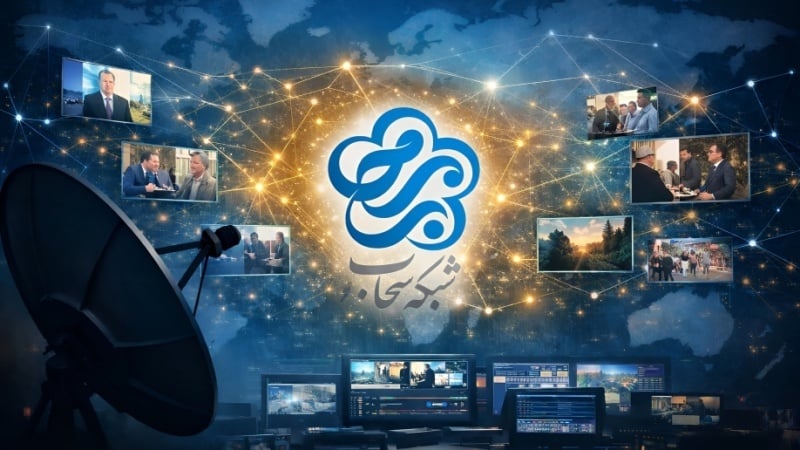
Sahab Network
Pars Today – In a world where having more broadcast channels no longer equates to greater media power, IRIB’s Sahab Network has embarked on a new path of transnational influence by transforming into a narrative-driven media hub.
In recent years, the central question about the future of media is no longer who has more channels, but who plays a more effective role in shaping the flow of meaning. The gradual decline of linear broadcasting, the fragmentation of audiences, and the platform-based consumption of content have challenged the old media order. In response, new models of media action have emerged—models that operate with transnational impact without relying on traditional broadcasting or nationwide transmission.
In this new order, media outlets are no longer merely message broadcasters; they have become facilitators of narrative circulation. Meaning is no longer transmitted from a single central sender to an audience; instead, it is produced, reinterpreted, and consolidated within a network of media, platforms, and cultural activists. International experiences in this field demonstrate how an entity can become a content and narrative reference at the global level without turning into a traditional television network—one whose influence stems not necessarily from a single broadcast signal, but from collaboration and interaction with other media outlets.
Within Iran’s media landscape, the experience of the Sahab Network under the Islamic Republic of Iran Broadcasting (IRIB’s) World Service can be understood within this same analytical framework. Sahab has been formed not as a new linear television channel, but as a media hub—one whose primary mission is the production, packaging, and distribution of multilingual content for transnational audiences and partner media outlets. This experience demonstrates that even within deeply rooted broadcast structures, it is possible—through organizational reconfiguration—to move closer to the logic of post-broadcast media.
Sahab’s focus on producing multilingual narratives, developing VOD platforms that are narrative-driven rather than entertainment-oriented, and creating infrastructures for access, referral, and content redistribution reflects an understanding of a key reality: in today’s world, media influence is achieved through the networked circulation of meaning, not merely through direct broadcasting. These VOD platforms are designed not to compete with entertainment services, but to function as narrative repositories and content references—spaces where narratives are consolidated and then circulated through interaction with larger and regional media outlets.
In this model, collaboration with foreign and regional media, the use of rebroadcasting and adaptation capacities, and a targeted presence on social media form components of a single, integrated strategy. Within this framework, social networks are not the ultimate goal but rather auxiliary channels and accelerators that help narratives circulate more rapidly across the media ecosystem. What ultimately matters is the durability of narratives across multiple media layers, not merely the momentary visibility of a piece of content.
From this perspective, Sahab’s experience is noteworthy in that it shows being a media hub does not necessarily mean distancing oneself from state or external-mission objectives. On the contrary, this model can serve as a structural response to the limitations, sensitivities, and rising costs of classical broadcasting. Just as international examples have become influential actors by reducing the prominence of channels and strengthening networked distribution power, Sahab is moving along a path in which media presence is less about appearing on a remote control and more about circulating meaning in the minds and perceptions of audiences across different countries.
The future of international broadcasting appears to be taking shape at precisely this point—where media organizations shift their focus from merely owning airtime to organizing narratives, producing multilingual content, and actively participating in global media ecosystems. In such a future, media hubs like Sahab can play roles far beyond those of a traditional network—roles that may be less visible, yet deeper and more enduring in their impact.
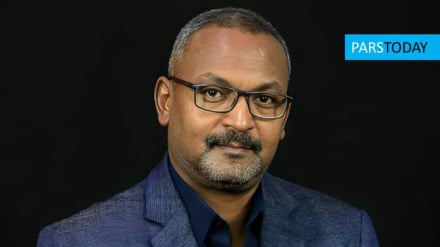
Hossein Sheykhian
The Head of Sahab Network