National unity and smart leadership: Key to defeating enemy in soft war
-
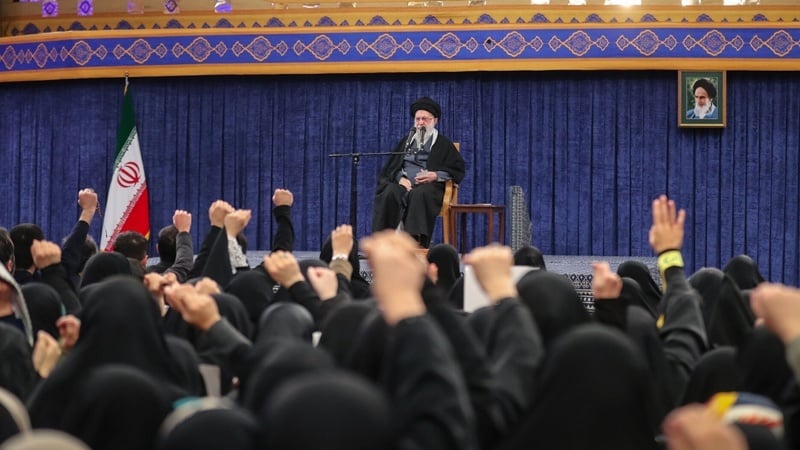
Meeting of the families of the Martyrs of Might with the Leader of the Islamic Revolution
Pars Today – Despite spending significant funds and deploying propaganda and disinformation campaigns in the soft war against Islamic Iran, the U.S. and its European allies have failed.
The American-Western soft war against Iran has consistently been unsuccessful due to national cohesion, smart leadership, the enemy’s intelligence failures, and the vigilant response of the public. Miscalculations and a disregard for Iran’s cultural and social capacities have prevented the enemy from achieving its malicious goals.
The enemy’s most important propaganda tools in the soft war are the media—including radio, television, satellite, the internet, and social networks. In addition, cultural and artistic instruments, fashion, narcotic drugs, false spiritual movements, and deceptive advertising are also used to influence the beliefs and identity of young people.
In this context, American-Western political and propaganda centers have repeatedly misjudged Iran’s situation, underestimating the country’s cultural, social, and political capacities. U.S. officials have long assumed that media pressure and economic sanctions could separate the Iranian people from their government, but this objective has never been achieved.
At critical moments, including the recent hybrid wars, the Iranian people, through their widespread presence on the ground, thwarted the enemy’s plans. Public vigilance prevented the soft war from spreading internally, and the enemy failed to trigger a broad social crisis.
Meanwhile, the guidance of the Leader of the Islamic Revolution in fostering hope and strengthening national morale has always played a key role in defeating the soft war. Smart leadership ensured that the enemy could not exploit social divisions.
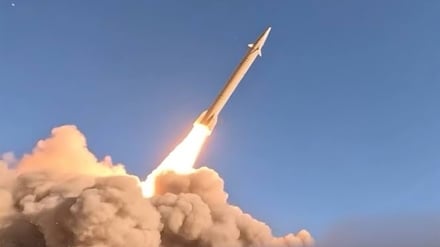
The intelligence capabilities of the Islamic Republic of Iran were also able to neutralize many schemes and prevent the West from achieving its malicious objectives. Additionally, Iran was able to respond decisively to threats in a short time, demonstrating that its defensive and military strength far exceeded the enemy’s expectations. This military deterrence also served as a strong backing in countering the soft war.
On the anniversary of the birth of the Commander of the Faithful, Imam Ali ibn Abi Talib (peace be upon him), and the sixth anniversary of the martyrdom of Lt. General Soleimani, Ayatollah Khamenei, the Leader of the Islamic Revolution, met with the families of the martyrs of the 12-day War with Israeli regime (Martyrs of Might). The Leader emphasized the need for vigilance and the strengthening of national unity against the enemy’s “soft war” and explained that this war, based on deception, lies, slander, and rumors, is the same war that the enemies of the Alawi government adopted after their military defeats against Imam Ali (PBUH), in an attempt to prevent him from achieving his objectives.
The Leader of the Islamic Revolution identified the enemy’s goal in the soft war as demoralizing the people, spreading despair, and creating doubt within the nation. He emphasized that just as during the era of Imam Ali (the enemies) used rumors and lies to sow distrust among the people, today the same tactics are being employed. However, the Leader noted, the Iranian nation has consistently demonstrated that in difficult situations, wherever its presence and support are needed, it stands firm and frustrates the enemy.
The enemy’s soft war against Iran is primarily based on media, cultural, social, and destructive tools, aiming to undermine the people’s beliefs, identity, and national cohesion.
Past experiences have shown that whenever the enemy has entered the field with propaganda and psychological operations, the swift response of the people and effective crisis management in the country have led to the failure of their plans. Therefore, Iran’s soft power, rooted in culture, faith, and social cohesion, has been the most important deterrent against the enemy’s soft war.
Today, Islamic Iran, relying on its rich culture, steadfast faith, and soft power, not only stands firm against attacks but has also become a model of resistance and hope for other nations.