Central Bank Governor details economic provisions of Iran-U.S. MoU
-
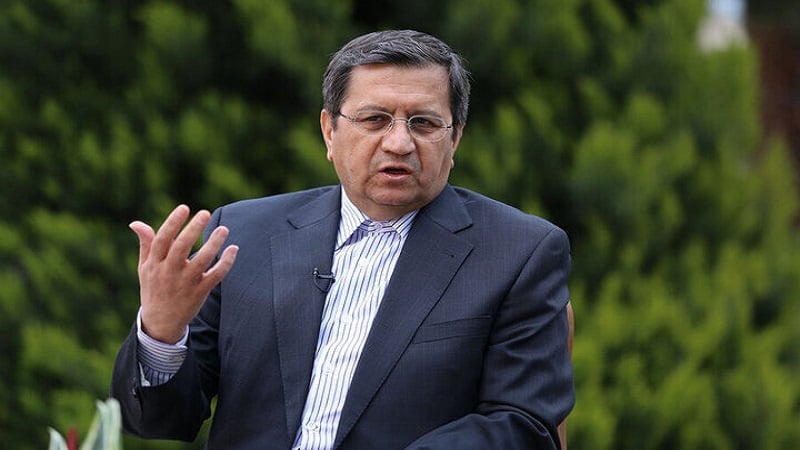
Governor of the Central Bank of Iran, Abdolnaser Hemmati
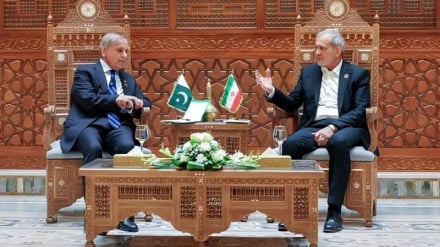
Pars Today – The Governor of the Central Bank of Iran has said that during the Iran-U.S. negotiations, which were facilitated by the governments of Qatar and Pakistan as mediators, two important decisions regarding the economic provisions of the memorandum of understanding were made in Switzerland.
According to a report by Pars Today citing IRIB News Agency, Abdolnaser Hemmati elaborated on the two key economic decisions of the memorandum, saying: "The first decision pertained to the release of Iran's frozen assets. Under the memorandum, it was agreed that these assets would be released gradually through negotiation, with $12 billion to be released in the first phase and the remainder in subsequent phases."
The Governor of the Central Bank of Iran, emphasizing that what is essential for us is the ability to utilize these funds, said: "Given the agreement signed in 2023 between Iran and the United States, we took the same framework as our basis, according to which the released funds would be used for importing essential goods and medicine."
Hemmati added: "Each year, we spend between $10 and $12 billion, and in a broader calculation, close to $15 billion, on importing essential goods. Therefore, by allocating these funds to essential goods, other foreign exchange resources that we had set aside for this purpose have been freed up, and we can allocate them to other needs or reserves. For this reason, we assessed the agreement positively."
The Governor of the Central Bank of Iran, referring to the understanding reached in the negotiations with the United States regarding sanctions exemptions for Iran's oil sales, stated: "One of the clauses of the memorandum was that during the 60-day negotiation period, we would be able to export oil and other derivatives, including petrochemical products, free from sanctions pressures. Accordingly, it is possible to deliver shipments at any port, transport them on any type of vessel, and deposit funds into any account that Iran's National Oil Company announces and coordinates, and we can utilize those resources."
He concluded by emphasizing that during these 60 days, Iran's oil, petrochemicals, and other derivatives and petroleum products benefit from exemptions, saying: "Currently, oil exports continue, and in the past few days, millions of barrels of oil have been exported. However, the advantage of this understanding is the elimination of financial transfer costs and the complexities arising from sanctions."