Iran not expecting OPEC call to cut output: Zanganeh
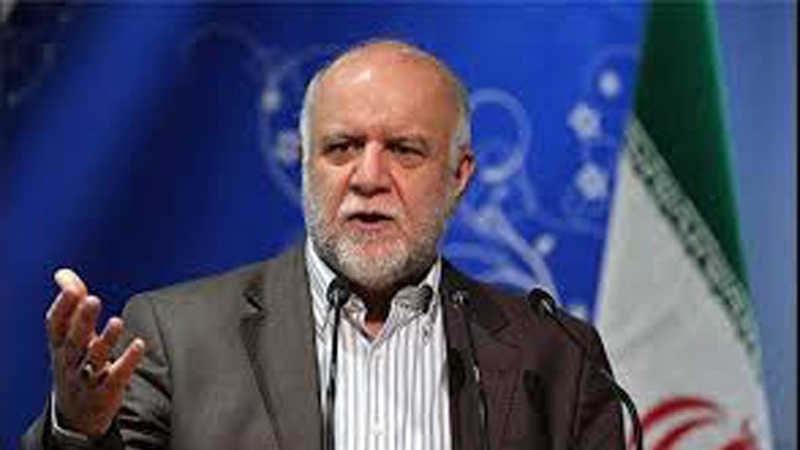
Petroleum Minister Bijan Zanganeh says he does not expect the Organization of the Petroleum Exporting Countries (OPEC) to call on the Islamic Republic to reduce its oil production when it meets to discuss extending an oil output deal tomorrow.
Asked about whether Iran would be required to decrease its oil production during the OPEC meeting in Vienna, Zanganeh told reporters: “That’s not the case.”
He said extending the output cut would be the key topic for discussions in Vienna, adding that no change was expected in production cuts that were agreed by producers through an agreement last year.
Zanganeh further emphasized that a consensus had already been reached by OPEC and non-OPEC producers to extend the cuts, stressing that an agreement which was reached on the same front last year could be extended by six or even nine months.
Elsewhere in his remarks, the Iranian minister rejected speculations that Saudi Arabia might try to undermine the output cut agreement. He emphasized that Riyadh wanted oil prices to rise.
OPEC clinched a historic deal with Russia and other non-members last December to slash global production by nearly 1.8 million barrels per day (bpd) for six months starting January.
OPEC – in what was its first production deal in eight years - exempted key member Iran from cutting output, allowing the country to increase its crude production by 90,000 bpd to reach the pre-sanction output production level of around four million bpd.
Nigeria and Libya were also exempted from the planned output cut due to internal conflicts which have already decreased their crude production.
SS