
Fattah: Iran’s new missile deterrence ring in naval battles
-

Which Iranian missile can send U.S. warships to the bottom of the sea?
Pars Today – Review of the development of the Fateh missile family and the introduction of the Fattah hypersonic generation shows that Iran, relying on indigenous technology, is focused on targeting distant naval vessels and bypassing air defense systems.
According to Pars Today, citing Mashregh News, alongside the emphasis of Ayatollah Khamenei, Commander-in-Chief of the Islamic Republic of Iran, on the role of strategic weapons in countering maritime threats, analyses of the role of hypersonic missiles—especially the “Fattah”—in regional security calculations have increased. This system, developed as part of the long-term Fateh missile family project, is now considered one of the main components of Iran’s missile deterrence.

From Zelzal to Fateh: The path of increased range and accuracy
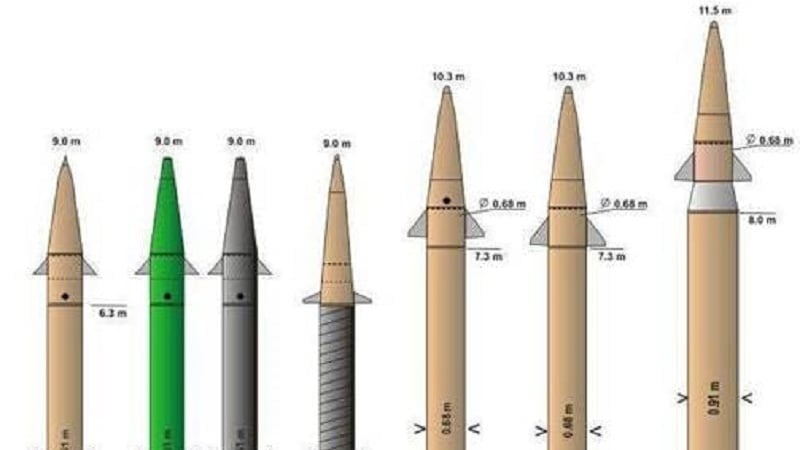
The foundation of this capability goes back to decades of investment by Iran’s defense industries in improving the accuracy of solid-fuel missiles. Converting Zelzal rockets into the guided Fateh-110 missile marked the beginning of a path that, with the development of variants such as Fateh-313, Zolfaghar, Dezful, and Kheibar Shekan, extended the range to approximately 1,450 kilometers and improved precision targeting.
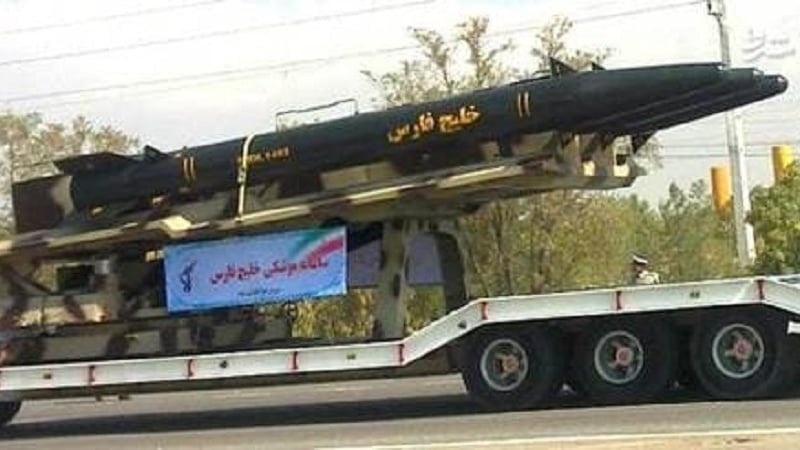
Along this trajectory, the design of anti-ship “Khalij Fars” (Persian Gulf) and anti-radar “Hormoz” versions demonstrated that the strategy of anti-access and targeting enemy vessels has been part of Iran’s defense planning for many years.
Entry of Fattah: A shift in missile defense patterns
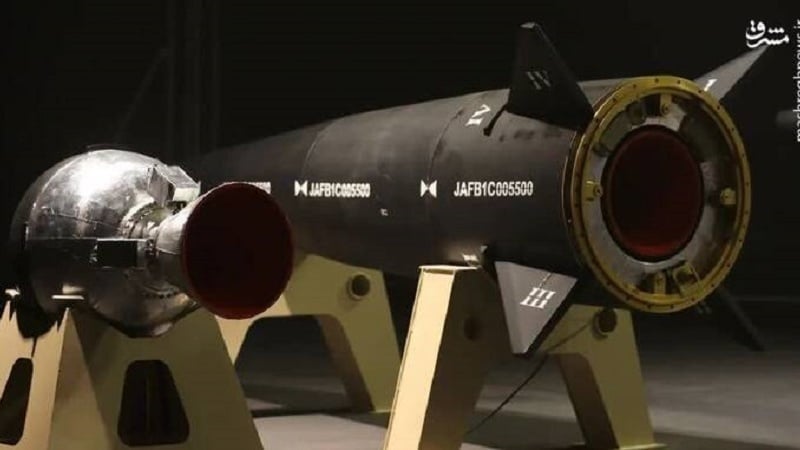
The unveiling of the Fattah hypersonic missile in June 2023, with a range of about 1,400 kilometers and speeds of Mach 13 to 15, marks a new phase in this trajectory. This missile, equipped with a maneuverable warhead, low radar cross-section, and the ability to alter its path both inside and outside the atmosphere, enhances its capability to bypass conventional air defense systems. The upgraded Fattah-2, featuring a stealthy gliding warhead with mid-flight maneuvering, is designed to counter anti-missile systems.
Entry of Fattah: A shift in missile defense patterns
The unveiling of the Fattah hypersonic missile in June 2023, with a range of approximately 1,400 kilometers and speeds of Mach 13 to 15, represents a new phase in Iran’s missile development. This missile features a maneuverable warhead, low radar cross-section, and the ability to alter its trajectory both inside and outside the atmosphere, enhancing its capability to penetrate conventional air defense systems. The upgraded Fattah-2, equipped with a stealthy gliding warhead and mid-flight maneuvering, is specifically designed to counter anti-missile systems.
Operational tests and naval target destruction
The 2020 missile exercise, which included simulations of destroying naval targets at a distance of approximately 1,800 kilometers, is considered an example of this operational approach. In this context, the development of Fattah missile alongside other members of the Fateh family demonstrates Iran’s focus on establishing active deterrence, enhancing anti-access naval capabilities, and reducing vulnerability to extra-regional threats.