Araghchi: Iran’s right to peaceful nuclear energy non-negotiable
-
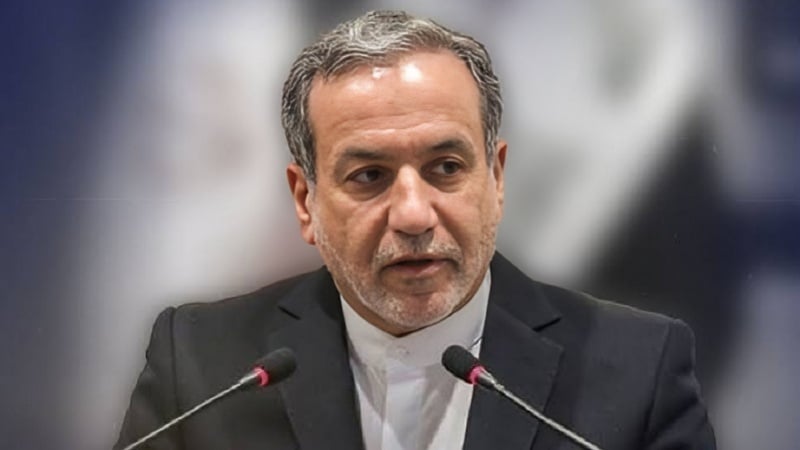
Seyed Abbas Araghchi, Iran’s Foreign Minister
Pars Today – Seyed Abbas Araghchi, Iran’s Foreign Minister, stated at the European headquarters of the United Nations in Geneva that Iran’s right to use nuclear energy for peaceful purposes is non-negotiable.
According to Pars Today, Seyed Abbas Araghchi, Iran’s Foreign Minister, said on Tuesday, February 17, at the International Disarmament Conference in Geneva that Iran has consistently pursued a strategy based on the peaceful use of nuclear energy while also demonstrating its readiness to address any concerns regarding the nature of its nuclear program and to guarantee its fully peaceful character. On this basis, Iran entered the nuclear negotiations and has continued along this path to the present day.
Araghchi added that the Islamic Republic of Iran has always emphasized that it is neither seeking to produce nor acquire nuclear weapons—arms that have no place in Iran’s national security doctrine. This position is rooted in Iran’s defensive policy and reinforced by clear religious considerations prohibiting weapons of mass destruction.
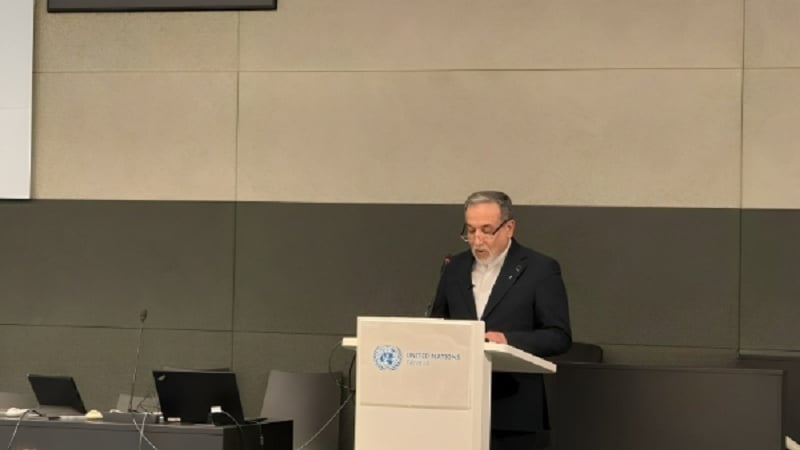
The Iranian Foreign Minister emphasized: “Sustainable agreements can only be achieved through reciprocal and balanced commitments and respect for the legitimate rights of nations. The Treaty on the Non-Proliferation of Nuclear Weapons explicitly recognizes the inalienable right of all member states to develop, research, produce, and use nuclear energy for peaceful purposes. This inherent right is non-negotiable and legally binding. It is not subject to political considerations and cannot be suspended or reinterpreted at will. Any attempt to suggest that this right is revocable or optional is fundamentally incompatible with both the letter and the spirit of the treaty.”
Araghchi stressed that, despite Iran’s commitment to diplomacy and good-faith engagement, the behavior of certain Western countries, particularly the United States, has seriously undermined the credibility of the negotiation process. The U.S. unilateral withdrawal from the Joint Comprehensive Plan of Action (JCPOA), in clear violation of an agreement endorsed by the international community, dealt a severe blow to trust and the stability of multilateral commitments. This decision not only disregarded multilateral obligations but also imposed unjustified economic and humanitarian consequences on the Iranian people.
Araghchi added that even more concerning was the resort to military aggression against Iran last June, at a time when the country was actively engaged in ongoing negotiations.
Such actions are in clear violation of the fundamental principles of the United Nations Charter and international law, particularly Article 2, Paragraph 4 of the Charter. The Iranian Foreign Minister noted that by colluding with a non-NPT party against an NPT member state, the United States has dealt a serious blow to the integrity, credibility, and spirit of the treaty—consequences that will be long-lasting.
Attacking nuclear facilities under safeguards could be considered a war crime, carrying risks of radioactive release, long-term environmental contamination, and cross-border impacts for the entire region. The lack of explicit condemnation of these attacks by the United Nations Security Council and the International Atomic Energy Agency has set a dangerous precedent and signals a serious erosion of the global non-proliferation regime.
Araghchi also stated that Iran has consistently emphasized its commitment to cooperate with the International Atomic Energy Agency within the framework of its legal obligations. Iran is a founding member of the IAEA and a member state of the Non-Proliferation Treaty. The country’s peaceful nuclear program has been subject to the most extensive and unprecedented verification measures under the Agency’s safeguards.
The Iranian Foreign Minister also stressed that, as demonstrated during the June 12, 2025, aggression, Iran is fully prepared to defend itself against any threat or hostile action. The consequences of any attack against Iran would not be confined to its borders.