US seeking to overthrow Cuba’s political system through oil-related leverage?
-
US seeking to overthrow Cuba’s political system through oil-related leverage?
Pars Today – After the U.S. military operation to abduct and arrest Nicolás Maduro, Venezuela’s oil shipments to Cuba have been completely halted. Cuba previously received about 30,000 to 35,000 barrels of cheap oil per day from Venezuela, a figure that has now dropped to zero.
U.S. pressure on Cuba in recent months has reached unprecedented levels. With the return of Donald Trump to power in 2025, the “maximum pressure” policy against the Cuban government has been revived and intensified. These pressures are no longer limited to traditional sanctions; they have become a full-scale energy blockade, pushing the fragile economy of the island nation to the brink of collapse.
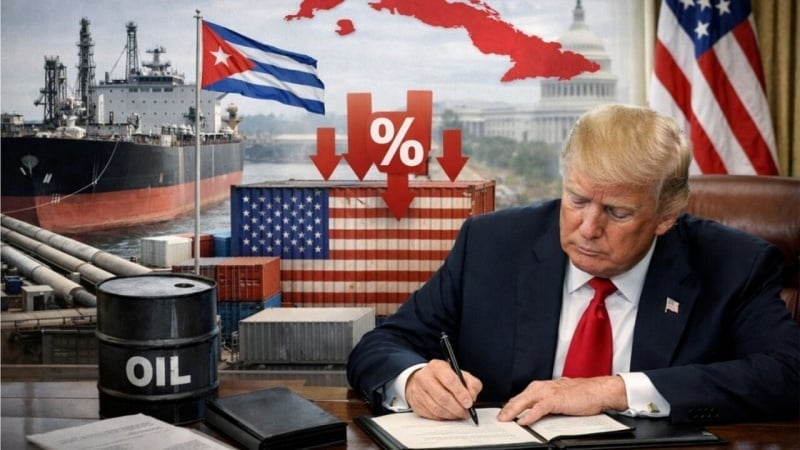
Following the U.S. military operation targeting the Venezuelan president, oil shipments from Venezuela—which for years had been Cuba’s primary fuel source—were completely stopped. Cuba had been receiving roughly 30,000 to 35,000 barrels of cheap oil daily from Venezuela, a figure now reduced to zero. On January 29, 2026, Trump signed a new executive order titled “Countering Threats from the Government of Cuba Against the United States,” declaring a national emergency and, under the International Emergency Economic Powers Act (IEEPA), imposing punitive tariffs on imports from any country that sells or supplies oil to Cuba, directly or indirectly.
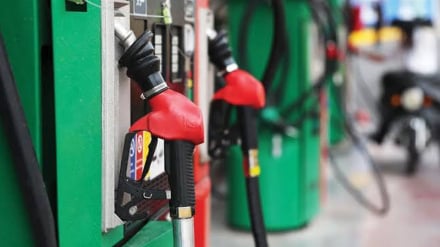
As a result, Mexico, which had replaced Venezuela as Cuba’s oil supplier in 2025, along with other potential suppliers like Russia and Algeria, refrained from sending oil to Cuba out of fear of heavy U.S. export tariffs. The direct consequence of this U.S. action has been a nationwide energy shortage in Cuba. By February 2026, power outages in many areas lasted up to 24 hours a day.
Airports have stopped refueling planes, public transportation is paralyzed, hospitals are operating on limited generators, and industrial production is nearly halted. The Cuban government has been forced to implement severe fuel rationing, which still proves insufficient. Key sectors of the Cuban economy, including tourism—the country’s few sources of foreign income—have been severely affected.
At the same time, remittances from Cubans abroad have come under stricter U.S. scrutiny, with new restrictions on financial transactions affecting Cuba. The U.S. government has stated that the goal of this pressure campaign is to force Cuba’s government to implement fundamental changes favored by Washington, ultimately leading to the collapse and overthrow of the regime. The long-standing U.S. hostility toward Cuba dates back to the 1959 revolution.
Following the rise of Cuba’s new political system, which involved nationalizing looted American property and declaring a socialist state under Fidel Castro, a close alliance between Havana and Moscow emerged, provoking U.S. anger. This revolution represented the first victory of the communist movement in the Western Hemisphere, right next to U.S. soil, prompting Washington to take multiple actions to overthrow it, from the failed Bay of Pigs invasion to the Cuban Missile Crisis naval blockade in 1962, which brought the world to the brink of nuclear war between the U.S. and the Soviet Union.
Now, after decades of unsuccessful U.S. attempts to overthrow Cuba’s political system, Washington is trying to apply the harshest economic blockade possible—cutting off even a single drop of oil—to squeeze the Cuban population into compliance. Whether Cubans will yield to U.S. demands or, through national unity and careful management of energy resources, navigate this critical juncture in their long history of U.S. hostility remains uncertain and will require time to become clear.