Islamic Jihad arming Palestinian resistance groups in occupied West Bank: Nakhalah
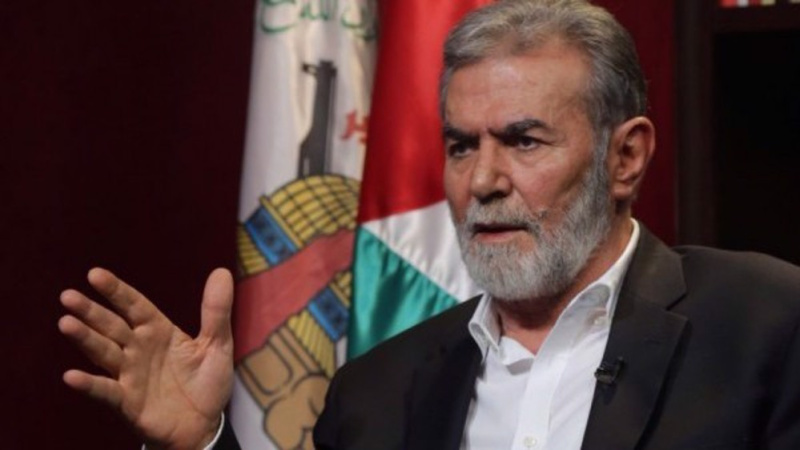
The secretary general of the Palestinian Islamic Jihad resistance movement says his group will continue to create armed brigades in the West Bank as well as all other Occupied Palestinian Territories, and provide them with weapons required for retaliatory operations against Israeli forces.
Ziyad al-Nakhalah told the Iranian Arabic-language al-Vefagh daily newspaper in an interview on Saturday that armed brigades and groups have been formed in all Palestinian cities, noting that Islamic Jihad, in particular, has undertaken the responsibility to do so.
“Palestinian Islamic Jihad has worked and is working to form combat battalions in all Palestinian cities in the West Bank, and the size and ability of these battalions vary from one place to another, according to our ability to arm them,” Nakhalah noted.
The Islamic Jihad chief described the Jenin Battalion as a “distinguished” resistance group in the West Bank, emphasizing, “This does not mean that there aren’t fighters from other factions. I also say that we have benefited from opening up to groups affiliated to the Fatah movement. Among the bases of Fatah, there are influential segments that oppose the so-called peace process [with Israel] and the Palestinian Authority.
“The arming of these [Fatah] groups helped expand the resistance front [against Israel].”
Nakhalah pointed out that some of these groups belong to the al-Aqsa Martyrs' Brigades, the armed wing of Fatah.
He said the Islamic Jihad was also making its expertise in manufacturing explosive devices available to other groups.
“We provide large and continued assistance to fighters in the field. We also follow up and provide field expertise in the process of manufacturing explosives,” Nakhalah said.
He also lauded restoration of diplomatic ties between Iran and Saudi Arabia, stressing that the reconciliation between Tehran and Riyadh will benefit the two nations and the entire region.
He added that the Zionist regime is dissatisfied with the agreement as its media outlets had long sought to proclaim that tensions in relations between Iran and Saudi Arabia were religiously-oriented. This is while the tensions were being fueled by outsiders.
ME